Are you a beginner trying to decide between a digital piano and a keyboard? You are not alone. Many new players face this dilemma: digital pianos offer weighted keys and authentic sounds, while keyboards are often more portable and affordable. This guide explores the key differences and reviews seven top-rated instruments for beginners in 2026. Whether you want a realistic piano feel or a versatile starter kit, we have you covered. For more guidance, check out our best keyboard piano for beginners guide.


Buying Guide: What to Consider When Choosing a Digital Piano or Keyboard
Key Action and Feel
The most important difference between a digital piano and a keyboard is the key action. Digital pianos like the YAMAHA P71 88-Key Weighted Action Digital Piano use weighted keys that mimic the resistance of an acoustic piano. This builds finger strength and improves technique. Keyboards, especially smaller ones, often have unweighted or semi-weighted keys that are lighter and easier to press, which can be great for beginners but may not prepare you for a real piano.
For serious learners, weighted keys are worth the investment. They provide a more authentic playing experience and help develop proper hand position. If portability and ease are your priorities, semi-weighted keys offer a good middle ground.
Number of Keys
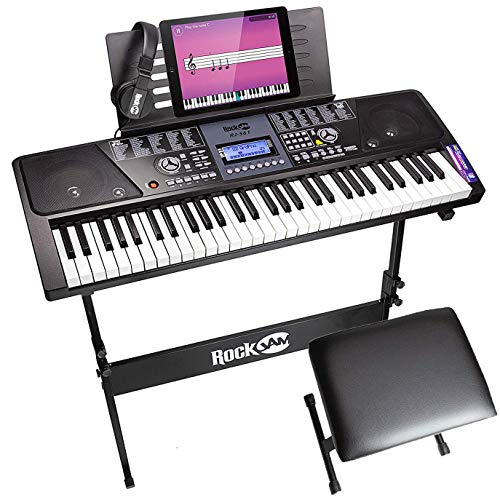
Standard pianos have 88 keys, while keyboards often have 61 or 76 keys. If you plan to play classical or advanced pieces, 88 keys are essential. For beginners focusing on pop, rock, or basic lessons, a 61-key keyboard like the RockJam RJ5061 61 Key Keyboard Piano Kit can be sufficient and more affordable.
Consider your long-term goals. Starting with a full-size keyboard means you won’t outgrow it quickly. If space or budget is tight, a 61-key model is a practical choice for learning the basics. For more on this, read our best keyboard for kids guide.
Sound Quality and Features
Digital pianos focus on high-quality piano sounds, often sampled from grand pianos. Keyboards offer hundreds of instrument voices, rhythms, and demo songs, making them more versatile for different music styles. The Alesis Recital Play 88-Key Piano Keyboard Bundle balances both with 480 sounds and built-in speakers.
Look for features like USB-MIDI connectivity, headphone jacks for quiet practice, and built-in recording. These enhance learning and creativity. If you want to explore different genres, a keyboard with many sounds is ideal. For pure piano practice, a digital piano with a few high-quality voices is better.
Portability and Setup
Keyboards are generally lighter and easier to move, making them perfect for students or those with limited space. Many come with stands and carrying cases. Digital pianos can be heavier due to weighted keys, but they often include built-in stands for a more permanent setup.
Consider where you will practice. If you need to move your instrument between rooms or take it to lessons, a portable keyboard with a case is convenient. If you have a dedicated practice area, a digital piano with a sturdy stand might be better. For more options, explore our best keyboard piano recommendations.
Final Thoughts
Choosing between a digital piano and a keyboard depends on your goals and budget. For the most authentic piano experience with weighted keys and realistic sound, the YAMAHA P71 88-Key Weighted Action Digital Piano is a top choice for serious beginners. If you want a versatile, affordable instrument with a complete bundle, the Alesis Recital Play 88-Key Piano Keyboard Bundle offers great value and features for learning and fun. Both options will help you start your musical journey with confidence.
Frequently Asked Questions
What is the main difference between a digital piano and a keyboard?
A digital piano has weighted keys that mimic an acoustic piano, while a keyboard often has lighter, unweighted keys. Digital pianos focus on piano sound quality, whereas keyboards offer a wide range of instrument voices and rhythms. For beginners, a digital piano is better for learning proper technique, but a keyboard is more versatile for different music styles.
Can a beginner learn on a keyboard instead of a digital piano?
Yes, many beginners start on keyboards with success. Keyboards are affordable and portable, making them accessible for practice. However, if you plan to transition to an acoustic piano later, starting with a digital piano with weighted keys can make the switch easier. For more tips, see our alesis recital pro review.
How many keys do I need as a beginner?
For most beginners, 61 keys are enough to learn basic songs and techniques. If you want to play classical pieces or advanced music, 88 keys are recommended. Many digital pianos come with 88 keys, while keyboards often have 61 or 76 keys. Consider your long-term goals when choosing.
What features should I look for in a beginner keyboard or digital piano?
Look for touch-sensitive keys, built-in speakers, headphone jack for silent practice, and USB-MIDI connectivity for use with learning apps. A sustain pedal and included stand are also helpful. Brands like YAMAHA and Alesis are known for quality beginner instruments. For more on YAMAHA options, read our best Yamaha keyboard guide.