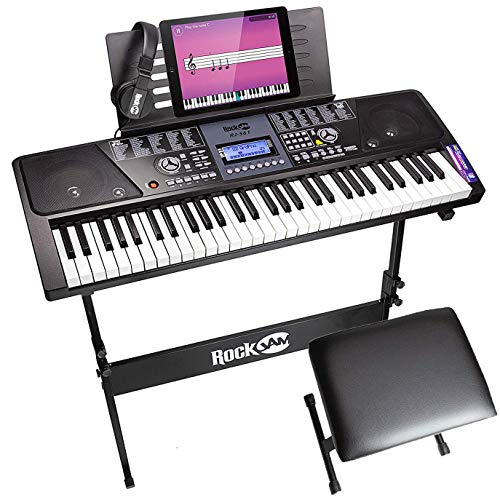
You’ve narrowed your search to two of the most popular portable digital pianos on the market: the Yamaha P125 and the Roland FP-30X. Both offer 88 weighted keys, impressive sound engines, and compact designs, but they cater to slightly different priorities. This guide will compare their key features, performance, and value to help you decide which one fits your needs in 2026.
Whether you’re a beginner looking for your first serious instrument or an experienced player seeking a reliable practice piano, this comparison covers everything from keyboard action to connectivity. We’ve also included a handy product list to explore the available options.




Buying Guide: What to Consider
Keyboard Action and Feel
The feel of the keys is the most critical factor in a digital piano. The Yamaha P125 uses Graded Hammer Standard (GHS) action, which is lighter and slightly spongier than the Roland FP-30X’s PHA-4 Standard keyboard. The PHA-4 offers a heavier, more realistic touch with escapement, making it a favorite among players who prioritize an authentic acoustic piano feel.
If you plan to transition to an acoustic piano later, the Roland’s action will better prepare your fingers. However, if you prefer a lighter touch for fast passages or synth-style playing, the Yamaha might feel more comfortable. For a deeper dive into similar keyboards, check our yamaha P225 review.
Sound Engine and Tone Quality
Yamaha’s P125 uses their renowned Pure CF Sound Engine, sampled from a CFX concert grand. It delivers a bright, clear piano tone that sits well in a mix. Roland’s FP-30X uses SuperNATURAL technology, which models the sound rather than just sampling it, resulting in a more dynamic and expressive response across all volume levels.
The FP-30X also offers more onboard sounds, including electric pianos, organs, strings, and synths, giving you greater versatility. For a closer look at the FP-30X’s capabilities, read our roland FP-30X review.
Polyphony and Performance
Polyphony determines how many notes can sound at once. The Yamaha P125 offers 192-note polyphony, which is ample for most playing. The Roland FP-30X steps up to 256-note polyphony, which is beneficial when using sustain pedals heavily or layering multiple sounds. This extra headroom ensures no notes drop out during complex pieces.
Both pianos handle fast repeated notes well, but the Roland’s higher polyphony gives it a slight edge for advanced repertoire. If you’re curious about other high-polyphony options, explore our best roland digital piano guide.
Connectivity and Portability
Modern digital pianos need to integrate with apps and devices. The Yamaha P125 features a dedicated Smart Pianist app that simplifies control and provides chord charts. The Roland FP-30X offers Bluetooth audio and MIDI, allowing wireless connection to your phone or tablet for lessons, recording, or streaming music.
Both are portable, but the FP-30X has a slightly more robust speaker system, making it better for small performances. For a broader look at portable options, check our kawai ES120 review, another strong contender in this category.
Final Thoughts
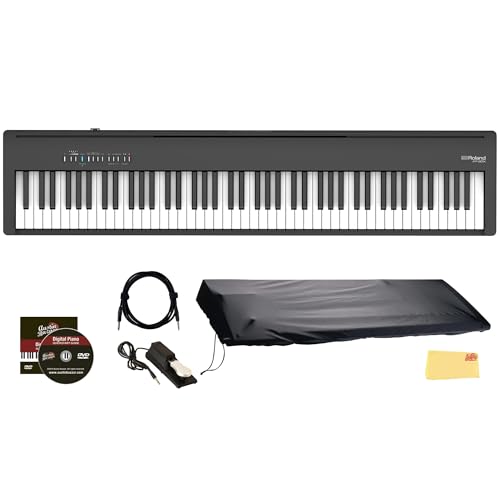
In the battle of Yamaha P125 vs Roland FP-30X, your choice ultimately comes down to personal preference. If you prioritize a lighter touch and a brighter sound, the Roland FP-30X 88-Note Digital Piano, Black is a fantastic option. However, if you want the most realistic action and a richer, more expressive tone, the Roland FP-30X Digital Piano with Speakers – Black is our top recommendation. Both are excellent instruments, so you can’t go wrong with either.
Frequently Asked Questions
Is the Roland FP-30X better than the Yamaha P125?
Yes, for most players, the Roland FP-30X offers a more realistic keyboard action and a more expressive sound engine. Its higher polyphony and Bluetooth connectivity also give it a technical edge. However, the Yamaha P125 is still a solid choice, especially if you prefer its lighter touch and brighter tone.
What is the difference in key action between the P125 and FP-30X?
The Yamaha P125 uses GHS (Graded Hammer Standard) action, which is lighter and has a more plastic-like feel. The Roland FP-30X uses PHA-4 Standard action, which is heavier, more realistic, and includes escapement, mimicking the feel of an acoustic grand piano.
Can I use headphones with both pianos?
Yes, both the Yamaha P125 and Roland FP-30X have headphone jacks for silent practice. The FP-30X even offers dual headphone outputs, so two people can listen simultaneously, which is great for lessons or duets.
Which piano is more portable?
Both are highly portable, weighing around 25-30 pounds. The Yamaha P125 is slightly lighter, but the FP-30X has a more robust speaker system, making it better for small gigs. If you need to move frequently, either will work well, but the P125 has a slight edge in weight.