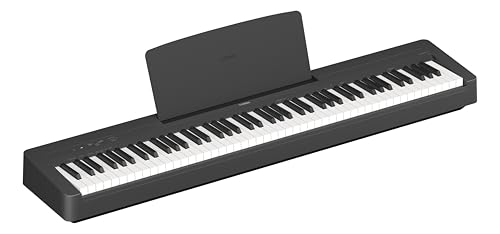

You’ve finally decided to invest in a digital piano, but now you’re stuck between two giants: Yamaha and Kawai. Both have stellar reputations, but their approaches to touch and tone differ significantly. This guide breaks down the key differences, reviews six standout models, and helps you pick the one that feels like an extension of your hands.
Whether you’re a beginner looking for a first instrument or an experienced player seeking a realistic home practice setup, this comparison covers the spectrum. We’ll dive into action types, sound engines, and extra features that matter most. If you’re just starting out, you might also want to check our guide on the best entry level digital piano for additional context.


Buying Guide: What to Look For in a Yamaha or Kawai Digital Piano
Before you hit the buy button, you need to understand what separates a great digital piano from a mediocre one. Here are the three most critical criteria to evaluate.
Keyboard Action: The Heart of the Instrument
The action determines how the keys respond to your touch. Yamaha uses Graded Hammer Standard (GHS) on entry models and Graded Hammer 3 (GH3) on higher-end ones. GH3 offers a heavier low end and lighter high end, mimicking an acoustic grand.
Kawai’s Responsive Hammer Compact (RHC) action is praised for its smoothness and realism, especially in the best digital piano to learn on category. Both brands excel, but Kawai often feels slightly more organic to players who prioritize touch.
Sound Engine: The Soul of the Piano
Yamaha’s CFX concert grand sampling and Kawai’s Shigeru SK-EX sampling are both exceptional. Yamaha’s Pure CF Sound Engine delivers bright, resonant tones, while Kawai’s Harmonic Imaging captures subtle nuances and natural resonance.
If you prefer a warmer, more intimate sound, Kawai is your pick. If you like a crisp, cutting tone, Yamaha won’t disappoint. For classical pianists, we’ve also covered best electronic pianos for classical pianists that highlight these differences.
Extra Features: Connectivity and Practice Tools
Modern digital pianos offer Bluetooth, USB-MIDI, and companion apps. Yamaha’s Smart Pianist app and Kawai’s PianoRemote app both enhance your experience. Built-in song libraries and recording capabilities are also worth considering.
For beginners, features like dual headphone jacks and lesson modes are invaluable. Check out our best electric piano for beginners guide for more insights on what to prioritize.
Final Thoughts
In the Yamaha vs Kawai debate, there’s no universal winner, but there is a perfect match for your needs. If you crave a rich, expressive tone and a highly realistic action, the Kawai ES120 Digital Piano Light Gray is a stellar choice. If you prefer a more traditional, polished sound with excellent build quality, the Yamaha YDP163B Arius Series Console Digital Piano will serve you beautifully. Both brands offer exceptional instruments, so focus on what feels right under your fingers.
Frequently Asked Questions
Which brand is better for beginners, Yamaha or Kawai?
Both are excellent for beginners, but Kawai’s actions are often considered more forgiving and natural. Yamaha’s GHS is solid, but Kawai’s RHC provides a smoother transition to acoustic pianos. For a budget-friendly start, consider the Roland FP-10 as an alternative.
Do Yamaha and Kawai digital pianos have weighted keys?
Yes, all models in this comparison feature fully weighted keys. Yamaha uses GHS or GH3, while Kawai uses RHC or RH3, all designed to replicate the feel of an acoustic piano.
Can I connect these pianos to my phone or tablet?
Absolutely. Most Yamaha and Kawai models offer Bluetooth MIDI and audio connectivity. You can use apps like Smart Pianist or PianoRemote to control sounds, access sheet music, and even use them as practice tools.
Are Kawai digital pianos more durable than Yamaha?
Both brands are known for exceptional build quality. Yamaha’s consoles are robust, and Kawai’s portables are designed for travel. Choose based on your intended use. If you plan to move frequently, check out the Yamaha P-143 bundle for a lightweight option.