

You have decided to learn piano, or perhaps you are picking it back up after years away. The sheer number of options can be paralyzing. You want a keyboard that feels like a real piano, sounds beautiful, and won’t break the bank. This guide cuts through the noise to focus on the best entry level digital pianos available in 2026, helping you find a model that matches your skill level, space, and budget. We have hands-on experience with dozens of models, and we have narrowed the field to seven exceptional instruments. For a broader look at getting started, check out our guide to the best digital piano to learn on.



Buying Guide
Weighted Keys and Action
The most critical feature for an entry level digital piano is a weighted, touch-sensitive keyboard. This mimics the resistance of an acoustic piano’s hammers, allowing you to build proper finger strength and control. Look for graded hammer action, where the lower keys feel slightly heavier than the higher keys, just like on a real grand piano. All the models on our list feature this, from the budget-friendly Donner to the premium Yamaha Arius series.
Sound Quality and Speaker System
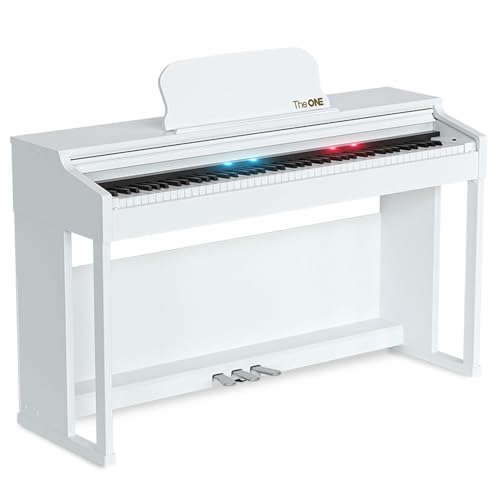
Great sound inspires you to play more. Entry level pianos use advanced sound engines that sample real concert grands, like Yamaha’s CFX or Roland’s SuperNATURAL technology. The built-in speaker system is equally important. A higher wattage and more speakers (like the four in The ONE model) deliver richer, more immersive sound. For those who need to practice quietly, dual headphone jacks are a valuable feature for silent practice or teacher-led lessons.
Smart Features and Connectivity
Modern digital pianos are more than just keyboards. Many entry level models now include Bluetooth MIDI and Audio for connecting to learning apps, recording software, or streaming music. Some, like the Roland FP-40 and The ONE, even have Wi-Fi for over-the-air updates and built-in lesson apps. If you plan to use recording software, USB-MIDI connectivity is a must.
Portability and Design
Consider where you will place the piano. Portable digital pianos are lightweight and easy to move, perfect for apartments or taking to lessons. Console digital pianos, like the Yamaha YDP series, have a furniture-style cabinet that looks elegant in a living room. The Donner DDP-200 even features a wood grain finish that blends with modern decor. If space is tight, a slim portable model might be the best choice.
Final Thoughts
Selecting the right entry level digital piano is a personal journey that depends on your goals and environment. For the beginner who wants the best integrated learning system, the The ONE Digital Piano Keyboard with 88-Key is a standout with its lighted keys and extensive app library. If you prioritize authentic acoustic feel and premium sound, the Roland FP-60X | Pro Performance 88-Note offers pro-level features at a more accessible price point. Whichever you choose, you are investing in a rewarding musical journey.
Frequently Asked Questions
What is the difference between a digital piano and a keyboard?
A digital piano typically has 88 weighted keys and aims to replicate the feel and sound of an acoustic piano. A keyboard often has fewer keys, unweighted or semi-weighted keys, and a wider variety of sounds and rhythms. For learning proper technique, a digital piano is almost always the better choice.
How many keys should an entry level digital piano have?
You should choose a model with 88 full-sized, weighted keys. This matches the range of a standard acoustic piano and ensures you will not outgrow the instrument as you advance. All the pianos in this review have 88 keys.
Do I need a bench and pedals?
A proper bench helps you maintain good posture. Many entry level digital pianos, like the Yamaha YDP models, include a matching bench and a three-pedal unit for sustain, soft, and sostenuto effects. For portable models, you can purchase a separate bench and a sustain pedal. For more tips, read our yamaha YDP103 arius review.
Can I use an entry level digital piano with learning apps?
Yes, most modern entry level digital pianos offer Bluetooth or USB-MIDI connectivity to work with apps like Simply Piano, Flowkey, or Piano Marvel. The Roland FP-40 and The ONE models have particularly strong app integration. This is a fantastic way to supplement your learning.


