

You have decided to invest in a digital piano, and Yamaha is likely at the top of your list. With decades of acoustic piano expertise, Yamaha brings authentic touch and tone to its digital models. This guide reviews the best Yamaha electric piano options for 2026, from compact portables to console-style instruments that mimic a grand piano experience.
Whether you are a beginner finding your first keyboard or an experienced player seeking a secondary instrument for quiet practice, Yamaha offers a model that fits. We evaluated each piano based on key action, sound engine, connectivity, and overall value. For a broader look at top digital pianos, check out our Stockton Best Digital Piano Guide for 2026.



Buying Guide
Key Action and Touch Response
The feel of the keys is the most critical factor in a digital piano. Yamaha uses graded hammer actions across its lineup, which means the lower keys are slightly heavier and the higher keys lighter, just like an acoustic piano. Models like the Yamaha YDP184 Console Digital Piano with Weighted feature the Graded Hammer 3 (GH3) action with synthetic ivory key tops that absorb moisture and prevent slipping during long practice sessions.
For players who prioritize a realistic touch, the GrandTouch-S action found in the P-525B offers solid wood keys that transfer vibrations from the instrument, creating a deeper connection to the sound. If you are comparing brands, our donner vs yamaha digital piano article breaks down how Yamaha’s action stacks up against competitors.
Sound Engine and Speaker Quality
Yamaha samples its flagship CFX concert grand piano for many of its digital models. The Pure CF Sound Engine in the YDP163B and the CFX Premium Grand Piano Voice in the YDP184 deliver rich, dynamic tone with natural resonance. Advanced technologies like Virtual Resonance Modeling (VRM) recreate the complex interactions of strings and the piano body, adding depth to your playing.
Built-in speakers vary by model. Console pianos like the YDP-166WB include a stereo amplifier and speakers that fill a room, while portable models like the P-145BT have smaller but capable built-in speakers. For headphone practice, binaural sampling in the P-525B creates a three-dimensional sound experience that mimics sitting at a concert grand.
Connectivity and Modern Features
Modern digital pianos offer more than just piano sounds. Bluetooth Audio and MIDI are now standard on many Yamaha models, allowing you to stream music from your phone, connect to learning apps, and record your performances. The YDP-166WB and P-145BT both include Bluetooth, making it easy to play along with backing tracks or use instructional software.
If you plan to use your piano for recording or teaching, look for models with dual headphone jacks and MIDI recording. The YDP184 offers a 16-track MIDI recorder, while the YDP164 includes a 2-track song recorder for practicing one hand at a time. For a deeper dive into connectivity, see our roland vs yamaha digital piano comparison.
Size and Design
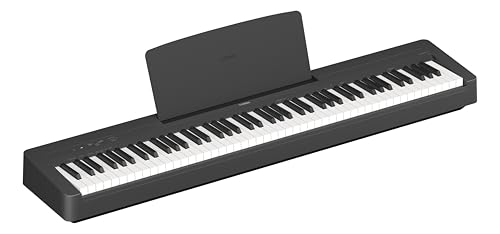
Your available space will influence your choice. Console digital pianos like the YDP103 and YDP163B have an upright cabinet design with a bench, making them a permanent furniture piece in your home. They range from about 32 to 33 inches in height and weigh 82 to 92 pounds. If you need portability, the P-145BT is slim and lightweight, easy to move between rooms or take to a lesson.
All console models include a three-pedal unit for authentic sustain, sostenuto, and soft pedal control. Half-damper pedal control on the YDP164 and YDP184 allows for nuanced pedal techniques similar to an acoustic grand. For more on console options, visit our Console Digital Pianos category page.
Final Thoughts
After evaluating the entire lineup, we recommend the Yamaha YDP184 Console Digital Piano with Weighted for serious players who want the most authentic grand piano experience, with its GH3 action, CFX premium voice, and VRM technology. For beginners or those with limited space, the Yamaha 88-Key Digital Piano with Weighted Keys (P-145BT) offers exceptional value with weighted keys, Bluetooth connectivity, and a compact design that fits any room. Both models deliver the renowned Yamaha quality that makes them the best Yamaha electric piano choices for 2026.
Frequently Asked Questions
What is the difference between Yamaha Arius and P-series digital pianos?
The Arius series features console-style cabinets with built-in benches and three-pedal units, designed to resemble upright acoustic pianos. The P-series (like the P-145BT) are portable keyboards with built-in speakers, lighter weight, and more compact dimensions. Arius models typically have more advanced sound engines and key actions, while P-series prioritize portability and affordability.
Do I need weighted keys on a Yamaha electric piano?
Yes, weighted keys are essential for developing proper finger strength and technique. All Yamaha electric pianos in this guide have weighted keys, with graded hammer action that mimics the resistance of an acoustic piano. If you plan to transition to an acoustic piano later, weighted keys will make the switch much easier.
Can I use headphones with these Yamaha digital pianos?
Yes, every model reviewed includes at least one standard stereo headphone jack. Many models, like the YDP-166WB and YDP184, have dual headphone jacks for silent practice with a teacher or duet partner. The P-525B uses binaural sampling technology to create a realistic three-dimensional sound when using headphones.
How do I choose between the YDP103 and YDP164?
The YDP103 is an entry-level Arius model with 64-note polyphony and GHS weighted action, suitable for beginners. The YDP164 offers a higher polyphony of 192 notes, the CFX premium grand piano voice, half-damper pedal control, and recording capabilities. If your budget allows, the YDP164 provides a more expressive and realistic playing experience. For a comparison with other brands, read our kawai vs yamaha upright piano guide.


