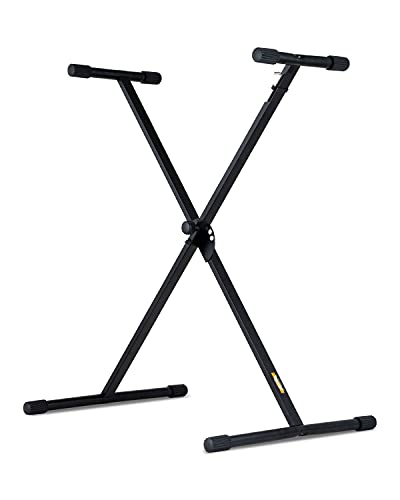

You love the idea of an 88-key piano, but the thought of hauling a heavy weighted slab to practice or gigs makes your back ache. Maybe you’re a beginner who wants a lighter touch to build finger strength gradually, or perhaps you’re a producer who needs a portable controller for on-the-go sessions. Whatever your reason, non weighted keyboards offer a sweet spot: they’re featherlight, responsive, and surprisingly expressive. In this guide, we’ve rounded up the best non weighted keyboards for 2026, focusing on models that nail the balance between playability and portability. We’ll break down what to look for, compare top picks from Donner, STRICH, MSTNE, and more, and help you choose the one that fits your musical journey.
Whether you’re a student practicing in a dorm room or a gigging musician who needs a reliable backup, these keyboards deliver. We’ve evaluated each model for key feel, sound quality, connectivity, and overall value, so you can shop with confidence. Let’s dive in and find your perfect non weighted companion.


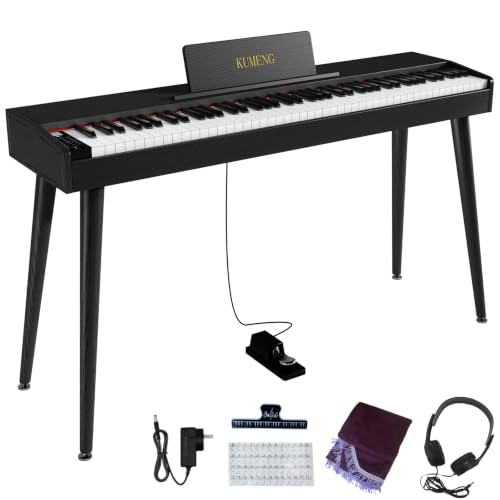
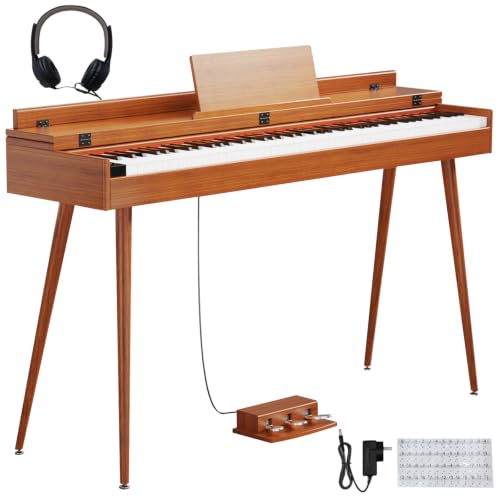


Buying Guide: What to Consider in a Non Weighted Keyboard
Key Action and Feel
Non weighted keyboards typically feature semi-weighted or synth-action keys. Semi-weighted keys offer a bit of resistance, simulating an acoustic piano more closely than unweighted ones, while still being lighter than fully weighted hammer actions. This makes them ideal for beginners who need to build finger strength without the strain, and for players who want a fast, responsive feel for synth or organ parts.
When you’re comparing models, pay attention to touch sensitivity. Most keyboards offer several response curves, letting you adjust how loudly a note sounds based on how hard you strike the key. This is crucial for expressive playing, whether you’re practicing classical pieces or laying down funky chords.
For a deeper dive into weighted options, check out our guide on affordable 88-key weighted keyboards to see how they stack up.
Sound Engine and Polyphony
The sound engine determines how realistic your keyboard sounds. Look for models with a high polyphony count (the number of notes that can sound simultaneously) to avoid cut-offs when playing complex chords with sustain. A minimum of 64 notes is good, but 128 is better for serious players.
Also, consider the number of built-in tones and rhythms. More options mean more versatility, whether you’re practicing with a metronome, jamming along to backing tracks, or just exploring different instrument sounds. Many non weighted keyboards also include demo songs, which are great for learning.
If you’re torn between weighted and non weighted, our article on electric keyboards with weighted keys might help clarify the differences.
Portability and Build Quality
One of the biggest advantages of non weighted keyboards is their portability. They’re lighter than their weighted counterparts, making them easy to carry to lessons, rehearsals, or gigs. Look for a sturdy build that can withstand travel, and consider whether you need a keyboard that can run on batteries or only via AC power.
Some models come with a detachable stand, which adds stability for home use but might be less convenient for gigging. Others are designed as slim, desk-friendly units that can double as a workspace when not in use. Think about where you’ll be playing most often and choose accordingly.
For budget-conscious buyers, our roundup of budget 88-key weighted keyboards offers alternatives, but if you prioritize portability, stick with non weighted.
Connectivity and Extras
Modern keyboards offer a range of connectivity options, from USB-MIDI to Bluetooth. USB-MIDI lets you connect to your computer or tablet for use with music software, while Bluetooth enables wireless connection to apps and speakers. Some models also have audio inputs and outputs, allowing you to play along with external devices or record your sessions.
Don’t overlook the included accessories. Many beginner bundles come with a sustain pedal, power adapter, and sometimes even a stand or headphones. These extras can save you money and hassle, so factor them into your decision.
If you’re exploring other keyboard types, our best buy weighted keyboards guide provides more insights, but for now, let’s focus on the non weighted best.
Final Thoughts
In the end, the best non weighted keyboard for you depends on your specific needs. For beginners seeking a complete package with a stand and accessories, the MSTNE Digital Piano 88 Key Weighted with Piano stands out with its semi-weighted keys and robust feature set, all at an accessible price point. If you’re looking for a portable option that doesn’t compromise on sound, the STRICH 88 Keys Weighted Keyboard with Sustain offers a fully-weighted feel in a lightweight design, perfect for gigging musicians. Whatever you choose, remember that the best keyboard is the one that inspires you to play.
Frequently Asked Questions
What is the difference between weighted and non weighted keyboards?
Weighted keyboards simulate the heavy, hammer action of an acoustic piano, providing more resistance and a traditional feel. Non weighted keyboards, also known as semi-weighted or synth-action, have lighter keys that are easier to press, making them ideal for beginners and for genres like synth or organ music. In 2026, many players choose non weighted for portability and ease of use.
Are non weighted keyboards good for beginners?
Absolutely. Non weighted keyboards are often recommended for beginners because they require less finger strength, reducing fatigue during practice. They also tend to be more affordable and lighter, making them a practical choice for students. Many models, like the MSTNE Digital Piano, come with built-in lessons and accessories to support new players.
Can I use a non weighted keyboard for music production?
Yes, many non weighted keyboards are excellent for music production due to their MIDI connectivity and compact design. They allow you to play virtual instruments in your DAW with ease. Look for models with USB-MIDI and Bluetooth, like the Donner DEP-20 Lite, to seamlessly integrate with your setup.
What should I look for in a non weighted keyboard for gigging?
For gigging, prioritize portability, durability, and connectivity. A lightweight keyboard with a sturdy build and battery option is ideal. Also, consider models with a wide range of sounds and effects, like the STRICH SDP-120, which offers 128 tones and 200 rhythms, perfect for live performances. Check out our budget weighted keyboard guide for more tips, but remember that non weighted options are often easier to transport.