Are you ready to take your piano playing to the next level? The feel of the keys under your fingers can make or break your practice sessions. Whether you are a beginner building finger strength or a seasoned player seeking an authentic touch, an 88 key weighted keyboard is your gateway to expressive performance. In this guide, we have evaluated the top models on the market to help you find the perfect instrument for your musical journey.
We have assessed a range of options, from budget-friendly starter bundles to premium digital pianos from trusted brands like Yamaha, Donner, and Alesis. Our goal is to simplify your decision by highlighting key features and differences. For more insights, check out our guide on the best weighted keyboard overall.


Buying Guide: Choosing the Best 88 Key Weighted Keyboard
Key Action and Touch Response
The feel of the keys is the most critical factor. Weighted keys simulate the resistance of an acoustic piano, helping you develop proper technique. Some keyboards offer semi-weighted keys, which are lighter and more responsive, ideal for beginners or those who play a variety of styles. Full-weighted or hammer action keys provide a heavier, more authentic experience. Consider your playing style and goals when choosing between semi-weighted and full-weighted actions.
For example, the YAMAHA P71 features weighted action that replicates an acoustic piano, while the MSTNE Digital Piano offers semi-weighted keys that are easier for beginners. The Donner DEP-20 provides adjustable touch response, allowing you to customize the feel. For more on this, read our best keyboard piano for beginners guide.
Sound Quality and Polyphony
A rich, realistic sound is essential for an immersive playing experience. Look for keyboards with high-quality sound engines, such as the Advanced French DREAM source in the MSTNE or the Yamaha grand piano samples in the YAMAHA P71. Polyphony, the number of notes the keyboard can play simultaneously, is also important. Higher polyphony (like 128 notes on the Donner DEP-20) ensures complex passages sound clear without dropped notes.
Built-in speakers vary in power; the Donner DEP-20 boasts two 25W amplifiers, while the Alesis Recital Play offers rich sound from its built-in speakers. For private practice, headphone jacks are a must. Many models, like the MSTNE, include dual headphone outputs for shared practice.
Connectivity and Features
Modern digital pianos offer a range of connectivity options. USB-MIDI allows you to connect to computers or tablets for recording and learning apps. Bluetooth connectivity, as seen on the MSTNE and Veitob models, enables wireless connection to devices for audio streaming or MIDI control. Look for features like recording and playback, dual voice modes, and built-in rhythms and demo songs to enhance your practice and creativity.
The Alesis Recital Play includes innovative Split and Lesson modes, perfect for teacher-student interaction. The Eastar EUP-100 offers wireless MIDI and a triple pedal system for advanced control. For a deeper dive, explore our keyboards category.
Bundle and Accessories
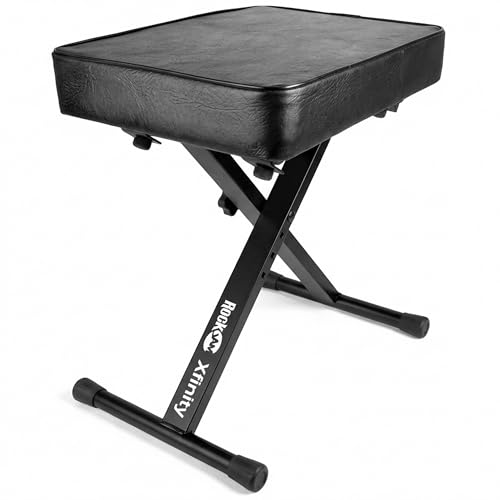
Many keyboards come as complete bundles, including stands, benches, sustain pedals, headphones, and carrying cases. These bundles are excellent for beginners who need everything to start playing immediately. The MSTNE Digital Piano bundle includes a sturdy stand, comfortable bench, metal sustain pedal, and a padded case. The Zilvok and Veitob models also offer comprehensive starter kits. Ensure the accessories are of good quality, especially the stand and pedal, for a stable and enjoyable playing experience.
Final Thoughts
Choosing the right 88 key weighted keyboard depends on your skill level, budget, and musical goals. For beginners seeking a complete, affordable package, the MSTNE Digital Piano 88 Key Weighted with Piano offers excellent value with its comprehensive bundle and semi-weighted keys. If you prioritize authentic touch and sound for serious practice or performance, the YAMAHA P71 88-Key Weighted Action Digital Piano delivers the renowned Yamaha quality and weighted action that will serve you for years. Whichever you choose, you are investing in a tool that will inspire your musical growth.
Frequently Asked Questions
What is the difference between weighted and semi-weighted keys?
Weighted keys mimic the resistance of an acoustic piano, providing a heavier, more authentic feel. Semi-weighted keys are lighter and more responsive, often preferred by beginners or those who play synthesizers. Both help develop finger strength, but weighted keys are closer to a traditional piano experience.
How many keys do I need on a weighted keyboard?
For serious piano practice and performance, an 88-key keyboard is essential. It covers the full range of an acoustic piano, allowing you to play any piece. Smaller keyboards (61 or 76 keys) may limit your repertoire, especially for classical or advanced music.
Can I connect a weighted keyboard to my computer?
Yes, most modern weighted keyboards include USB-MIDI connectivity, allowing you to connect to a computer or tablet for use with recording software, educational apps, or virtual instruments. Some models also offer Bluetooth MIDI for wireless connection. This is a great way to expand your creative possibilities.
What accessories come with a beginner weighted keyboard bundle?
Beginner bundles typically include a keyboard stand, bench, sustain pedal, headphones, and sometimes a carrying case or music rest. These accessories provide everything you need to start playing right away. Always check the bundle contents to ensure they meet your needs. For more tips, see our best keyboard piano guide.