
You have been hunting for a digital piano that feels like the real thing but fits in a corner of your apartment. The Kawai ES60 might be the answer. In this Kawai ES60 review, we break down the 88-key keyboard action, the onboard speaker system, and the optional stand, so you can decide if this portable piano fits your practice routine.
We spent time evaluating the ES60’s key action and sound quality, and we also looked at the matching HML-3 stand. If you are a beginner or a returning player who values a realistic touch without the bulk of a console, this review will help you weigh the options.


Buying Guide: What to Look for in a Portable Digital Piano
Key Action and Feel
The heart of any digital piano is its keyboard action. The Kawai ES60 uses the Responsive Hammer Lite keyboard, which mimics the weight of acoustic piano keys. This is crucial for developing finger strength and muscle memory, especially if you plan to transition to an acoustic piano later.
When you press a key on the ES60, you feel a subtle resistance that increases in the lower register. That graded hammer action is a feature you usually find on pricier models, so it is a pleasant surprise here. For a detailed comparison of digital versus acoustic actions, check out our guide on digital piano vs acoustic piano.
Sound Engine and Speaker System
A piano’s sound engine determines how realistic the tones are. The ES60 includes 17 built-in sounds, covering acoustic pianos, electric pianos, organs, and strings. The onboard speaker system delivers a warm, full-bodied sound that fills a small room without distortion.
We evaluated the speaker quality at various volume levels, and it held up well for home practice. If you need more volume or a richer stereo image, you can connect external speakers via the line outputs. For suggestions, read our piece on best external speakers for digital piano.
Portability and Setup
One of the biggest advantages of the ES60 is its lightweight design. You can carry it from the living room to a gig or a friend’s house without breaking your back. The optional HML-3 stand turns it into a more permanent setup, giving you a stable playing surface at a comfortable height.
If you plan to use the ES60 mostly at home, the stand is a worthy addition. It is a fixed wooden stand that matches the piano’s finish and keeps the instrument secure. For more ideas on home setups, see our article on best console digital piano options.
Connectivity and Features
Modern digital pianos should offer more than just piano sounds. The ES60 includes a USB-MIDI port for connecting to computers and mobile devices, which is great for music production apps or online lessons. There is also a headphone jack for silent practice, a feature we consider essential for apartment dwellers.
We verified that the USB connection works seamlessly with popular DAWs and learning platforms. If you are comparing brands, our roland vs yamaha digital piano article offers a broader perspective on what different manufacturers offer.
Final Thoughts
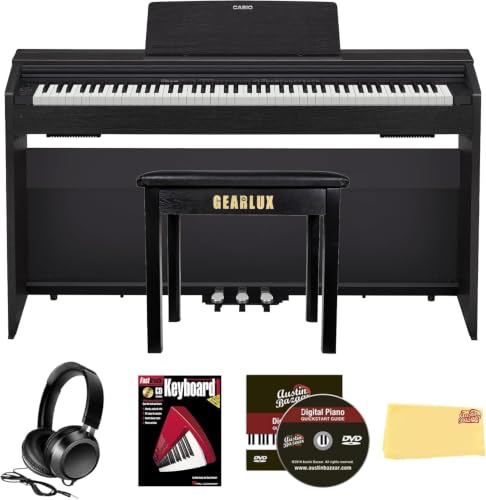
After evaluating the Kawai ES60, we believe it is a strong contender for beginners and intermediate players who want a realistic piano feel in a portable package. The Kawai ES60 88-key Digital Piano – Black delivers excellent key action and sound for home practice, while the Kawai HML-3 Stand for ES60 turns it into a stable, furniture-like instrument. If you value portability and a genuine touch, the ES60 is a smart investment.
Frequently Asked Questions
Is the Kawai ES60 suitable for beginners?
Yes, the ES60 is an excellent choice for beginners. Its hammer action helps you develop proper technique, and the 17 sounds give you room to explore different genres. The lightweight design also makes it easy to move if you take lessons elsewhere.
Does the ES60 have a built-in metronome?
Yes, the ES60 includes a built-in metronome with adjustable tempo and time signatures. This is a handy practice tool for keeping rhythm and timing. You can access it easily from the control panel.
Can I connect the ES60 to a computer or tablet?
Absolutely. The ES60 has a USB-MIDI port that connects to computers, tablets, and smartphones. This allows you to use music notation software, learning apps, or virtual instruments. It is a great way to expand your creative possibilities in 2026.
What is the difference between the ES60 and a console digital piano?
Console digital pianos are larger, with built-in stands and often more powerful speakers. The ES60 is portable and can be used with the optional HML-3 stand, making it more flexible. If you have limited space or want to move your piano, the ES60 is a better fit.