
You’ve been dreaming of a grand piano sound in your living room, but space and budget are tight. The Casio Celviano AP-550 digital piano review is your guide to understanding if this console piano delivers that authentic experience without the bulk.
This review focuses on the Casio Celviano AP-550, a model designed for home performance. We’ll cover its key features, compare it with other Casio options, and help you decide if it’s the right instrument for your needs.


Buying Guide
Key Action and Feel
The heart of any digital piano is its keyboard action. The Casio Celviano AP-550 features Smart Hybrid Hammer Action, which simulates the weight and response of an acoustic grand. This provides a satisfying touch that helps develop proper technique.
If you’re transitioning from an acoustic piano, this action will feel familiar and responsive. For a deeper look at how digital piano actions compare, you might explore our guide on best digital baby grand piano.
Sound Engine and Speaker System
Sound quality is paramount, and the AP-550 doesn’t disappoint. It uses Casio’s multi-dimensional morphing technology to recreate the rich, complex tones of a concert grand. The 40W four-speaker system fills a room with immersive audio, making practice and performance a joy.
This powerful speaker setup ensures that every nuance of your playing is heard, from the softest pianissimo to the boldest fortissimo. For quiet practice, consider pairing it with quality headphones for playing piano.
Cabinet Design and Aesthetics
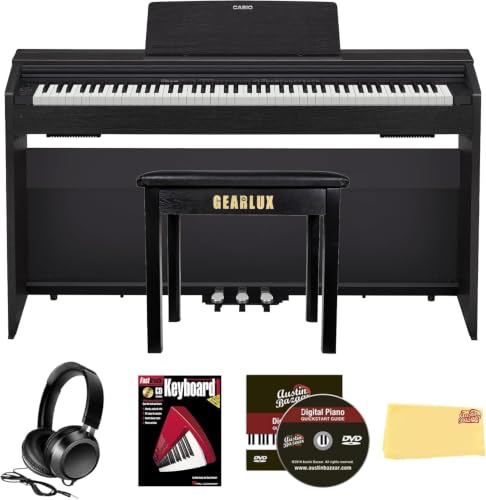
The AP-550 comes in a sleek console cabinet that resembles an acoustic upright. It features a sliding key cover and a sturdy music rest, making it a beautiful addition to any home. Available in Black, Rosewood, and White finishes, it can match your decor seamlessly.
This design not only looks elegant but also serves a practical purpose, protecting the keys when not in use. If you prefer a more portable option, you might look at the Casio CDP-S360 instead.
Connectivity and Additional Features
Modern digital pianos need to integrate with your digital life. The AP-550 offers USB-MIDI connectivity, allowing you to connect to computers and mobile devices for music production or learning apps. It also includes a variety of built-in tones and rhythms to enhance your creativity.
While the AP-550 focuses on core piano performance, other Casio models offer more extensive features. For a broader look at Casio’s lineup, you can check our Casio G-Shock watches guide for a different perspective on the brand’s quality.
Final Thoughts
After evaluating the Casio Celviano AP-550, it’s clear that this digital piano excels in delivering a premium playing experience with its realistic action and immersive sound. If you’re seeking a home console piano that prioritizes acoustic authenticity, the Casio Celviano AP-550 88-Key Console Digital Piano is an excellent choice. However, if you need a more portable and budget-friendly option for gigs or small spaces, the Casio CDP-S360 Slim 88-Key Weighted Digital Piano offers remarkable versatility. Both instruments uphold Casio’s reputation for quality, so your decision ultimately comes down to your specific needs.
Frequently Asked Questions
Is the Casio Celviano AP-550 good for beginners?
Yes, the AP-550 is suitable for beginners due to its realistic key action and high-quality sound. It helps build proper finger technique from the start, making it a solid investment for long-term learning.
What is the difference between the AP-550 and the PX-870?
The AP-550 features a newer Smart Hybrid Hammer Action and a more powerful 40W speaker system compared to the PX-870. It also has a more traditional console cabinet design, while the PX-870 offers a more modern look.
Can I use headphones with the Casio Celviano AP-550?
Absolutely, the AP-550 has two headphone jacks, allowing for private practice without disturbing others. This is perfect for late-night sessions or shared living spaces.
Does the AP-550 have Bluetooth connectivity?
No, the AP-550 does not have Bluetooth. However, it includes USB-MIDI connectivity, which allows you to connect to devices via a cable for use with apps and software.