
You’ve decided to learn piano, and a 61-key keyboard is the perfect starting point. But with so many options, from the MUSTAR 61 key piano keyboard to Yamaha’s beginner models, how do you choose? This MUSTAR 61 key piano keyboard review cuts through the noise, covering the best keyboards and essential accessories for beginners in 2026.
We’ve evaluated top-rated models and add-ons, focusing on what truly matters for new players: learning features, playability, and overall value. Whether you’re buying for yourself or a child, our guide helps you make an informed decision. Let’s dive in.


Buying Guide: What to Look for in a Beginner Keyboard
Learning Tools and Features
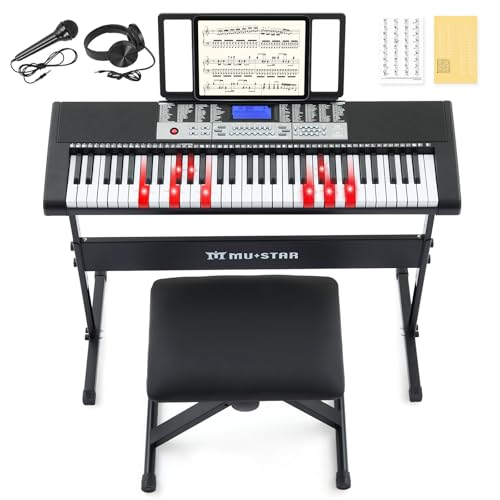
For beginners, built-in learning aids can make or break the experience. Look for keyboards with lighted keys, which show you exactly which notes to play, or quiz modes that train your ear. The MUSTAR 61 Key Piano Keyboard excels here with its lighted keys, while Yamaha’s PSRE283 offers a Quiz Mode that strengthens melodic memory.
These features turn practice into a game, keeping you motivated. If you’re shopping for a younger player, check out our best piano keyboard for 8 year old guide for age-appropriate recommendations.
Sound Quality and Feel
A keyboard should sound inspiring, not tinny. Yamaha is renowned for its rich, expressive piano tones, and the PSRE283’s Portable Grand button delivers that instantly. Even budget models like the MUSTAR offer decent sound, but if authentic piano tone is your priority, you might want to explore our best keyboard that sounds like piano roundup.
Also, consider the keys themselves: full-sized, touch-sensitive keys respond to your playing dynamics, which is crucial for developing proper technique.
Accessories and Extras
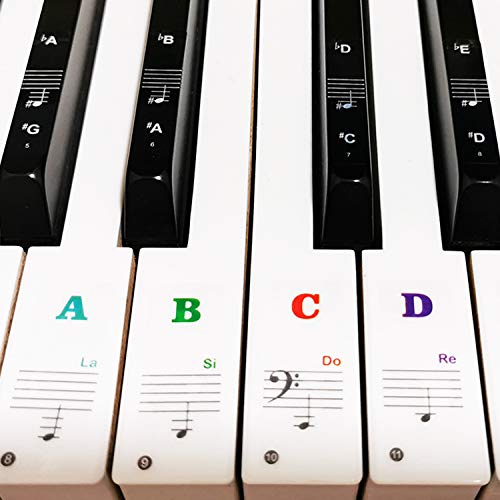
Many beginner bundles include stands, headphones, and even a stool, which saves you money and hassle. The MUSTAR 61 Key Piano Keyboard comes with all of these, making it a convenient all-in-one package. But don’t forget the little things: a best mini piano keyboard might not need a cover, but a full-size 61-key does. A dust cover protects your investment from everyday debris, and key stickers can help you memorize note positions faster.
When evaluating bundles, check what’s included against your needs. A stand and headphones are essential for comfortable practice; a stool is a nice bonus.
Final Thoughts
Choosing the right beginner keyboard comes down to your learning style and budget. If you want a complete package with guided learning, the MUSTAR 61 Key Piano Keyboard is a fantastic choice, offering lighted keys and all the accessories you need to start immediately. For those who prioritize authentic piano sound and trusted brand quality, the Yamaha 61-Key Portable Keyboard for Beginners is a worthy investment that will serve you for years. Whichever you pick, remember that consistent practice matters more than gear, so choose what excites you to play.
Frequently Asked Questions
Are 61-key keyboards good for beginners?
Yes, 61 keys are ideal for beginners. They cover most popular music and are lighter and more affordable than full 88-key pianos. As you progress, you can always upgrade to a full-size model.
Do I need a piano stand and headphones?
Absolutely. A stand ensures proper posture, preventing back and shoulder strain. Headphones allow you to practice anytime without disturbing others, and many keyboards have a headphone jack for silent practice.
Can I use piano key stickers on any keyboard?
Yes, most key stickers are designed to fit standard-sized keys, whether you have 49, 61, or 88 keys. They are removable and leave no residue, making them a great learning aid for kids and adults alike.
What’s the difference between a keyboard and a digital piano?
Keyboards are typically portable, with a variety of sounds and rhythms, while digital pianos focus on replicating an acoustic piano’s touch and tone. For beginners, a keyboard is often more versatile and budget-friendly. If you’re torn, our JIKADA 61 key review shows how a quality keyboard can serve you well.