

Picture this: you finally have the space and desire to learn piano, but a nagging question stops you cold. Do you invest in a traditional acoustic piano with its rich, resonant sound, or do you opt for a modern digital piano packed with features and requiring zero tuning? This is the classic digital piano vs acoustic piano dilemma, and it is one every aspiring player faces. In this guide, we break down the practical differences in sound, feel, maintenance, and overall value to help you make a confident choice. Whether you are a complete beginner or a returning player, understanding these distinctions will set you on the right path. For a broader look at your options, check out our overview of digital pianos.



Buying Guide
Sound Quality and Authenticity
An acoustic piano produces sound through hammers striking strings, creating a complex, resonant tone that fills a room. Digital pianos use sampled or modeled sounds played through speakers. High-end digital models have improved dramatically, offering multi-layered samples that capture the nuances of a grand piano. For most beginners, a quality digital piano sounds excellent and is indistinguishable in a home setting. However, purists and advanced players often prefer the organic, dynamic response of an acoustic instrument.
If sound authenticity is your top priority, an acoustic piano delivers an unmatched experience. But for practice, recording, or playing with headphones, a digital piano provides incredible versatility. Consider what matters more: the pure, unamplified tone of an acoustic or the flexibility of a digital instrument that can mimic many sounds.
Touch and Feel of the Keys
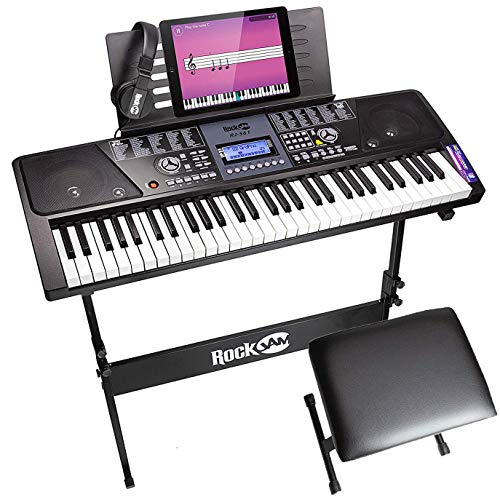
The feel of the keys, known as the action, is a critical factor. Acoustic pianos have weighted keys with a specific resistance that varies between brands and models. Digital pianos now offer graded hammer action, which simulates the heavier bass keys and lighter treble keys of an acoustic. The RockJam RJ561 61 Key Keyboard Piano Kit features a semi-weighted action that is excellent for beginners learning proper technique.
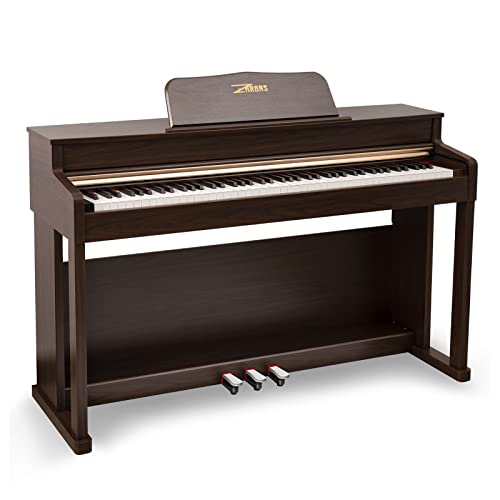
For those serious about developing finger strength and dynamic control, a fully weighted digital piano is a worthy investment. Many players find that a good digital action is close enough to an acoustic for effective practice. If you plan to eventually play on acoustic pianos, prioritize a digital model with realistic weighted keys.
Maintenance and Upkeep
Acoustic pianos require regular tuning, typically twice a year, plus occasional regulation and voicing. This can cost several hundred dollars annually. They are also sensitive to humidity and temperature changes. Digital pianos require virtually no maintenance. They never go out of tune, and you simply plug them in and play. This makes digital pianos a hassle-free choice for busy families or those on a budget.
If you dread the idea of scheduling tunings or live in a climate with extreme humidity, a digital piano is the clear winner. The savings in maintenance alone can offset the initial cost difference over time.
Portability and Space Requirements
Acoustic pianos are large, heavy, and once placed, they are not easily moved. They require a dedicated space and often professional movers. Digital pianos, especially portable models, are lightweight and can be moved from room to room or taken to lessons and performances. The RockJam RJ5061 61 Key Keyboard Piano Kit is a great example of a portable setup that includes a stand and bench.
For apartment dwellers, students, or anyone who values flexibility, a digital piano is the practical choice. You can practice with headphones without disturbing others, and you can store it away when not in use. Acoustic pianos demand a permanent spot and can be difficult to fit into smaller homes.
Final Thoughts
In the end, the choice between a digital and acoustic piano comes down to your personal priorities. If you crave the authentic, resonant sound and feel of a traditional instrument and have the space and budget for ongoing maintenance, an acoustic piano is a lifelong companion. But if you value versatility, portability, and a maintenance-free experience, a digital piano is the smarter, more practical choice for most modern players. For a fantastic starting point, consider the RockJam RJ561 61 Key Keyboard Piano Kit for its comprehensive beginner bundle, or the RockJam RJ5061 61 Key Keyboard Piano Kit for its expanded sound library and teaching tools.
Frequently Asked Questions
Is a digital piano good enough for a beginner?
Absolutely. In 2026, digital pianos offer weighted keys, realistic sounds, and built-in learning tools that are perfect for beginners. They allow quiet practice with headphones and require no tuning, making them a practical and effective learning instrument.
Can a digital piano replicate the sound of an acoustic piano?
Yes, many modern digital pianos use advanced sampling technology to capture the sound of high-end grand pianos. While the physical resonance of an acoustic is unique, a quality digital piano sounds remarkably close and offers additional instrument voices for variety.
Do digital pianos lose their value over time?
Like most electronic devices, digital pianos depreciate over time, especially as new models are released. Acoustic pianos can hold their value better, but they also require ongoing maintenance costs. For most buyers, the convenience and lower upfront cost of a digital piano outweigh the resale value concerns.
Which is better for small apartments: digital or acoustic?
A digital piano is the clear winner for small spaces. It is compact, lightweight, and can be played with headphones to avoid disturbing neighbors. Acoustic pianos are large, heavy, and produce significant sound that can be an issue in close quarters. For more advice on choosing a piano for your space, read our guide on best console digital piano options.


