You’re on stage, the lights are hot, and the crowd is waiting. But your piano feels stiff, the sounds are lackluster, and you’re struggling to be heard above the band. If this scenario sounds all too familiar, it’s time to upgrade to a true stage piano. In this guide, we’ll explore the best stage pianos of 2026, covering models from renowned brands like Roland and Nord, to help you find the instrument that matches your performance style and musical needs.
Whether you’re a gigging professional, a weekend warrior, or a church musician, we’ve analyzed the top contenders based on key factors like key action, sound engine, portability, and connectivity. We’ll break down what makes each piano stand out and help you make an informed decision. For a broader look at digital pianos, check out our best digital piano guide as well.



Buying Guide: What to Look for in a Stage Piano
Key Action and Feel
The heart of any stage piano is its keyboard action. You want a keybed that responds to your touch with precision, offering a feel that closely mimics an acoustic grand. Look for hammer-action keys with triple sensors, as they provide the most accurate response for expressive playing, especially when you need to repeat notes quickly.
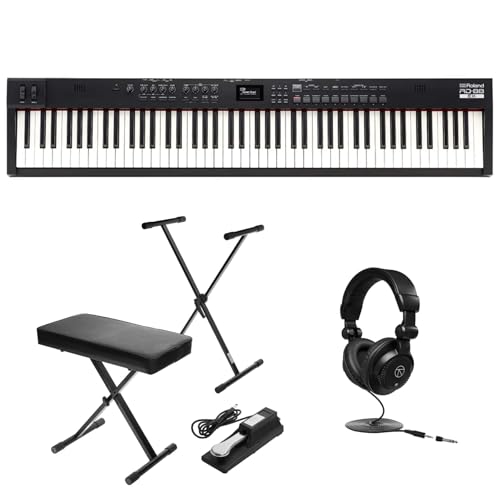
Models like the Roland RD-88 EX feature the PHA-4 keyboard with Ivory Feel, which offers a realistic, grippy texture and excellent dynamic control. If you prioritize an authentic grand piano experience, a quality weighted action is non-negotiable. For more on this, see our best weighted keyboard recommendations.
Sound Engine and Versatility
A stage piano must deliver a wide palette of high-quality sounds, from pristine acoustic pianos to electric pianos, organs, synths, and more. The sound engine determines the realism and depth of these tones. SuperNATURAL technology from Roland and the extensive sample libraries in Nord instruments are prime examples of top-tier sound engines.
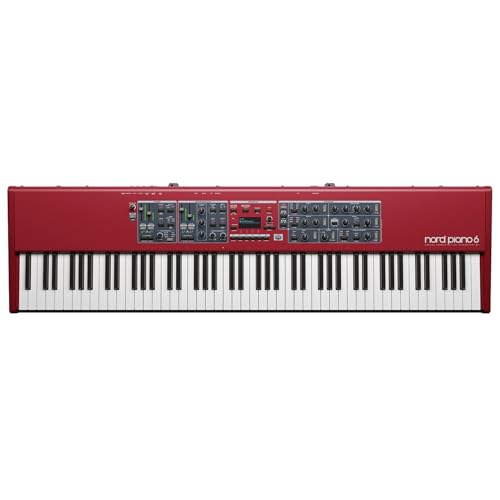
Consider the genres you play and the sounds you need. The Roland RD-88 EX offers over 3000 sounds via its ZEN-Core engine, while the Nord Piano 6 provides premium samples from Spitfire and Symphobia, making both highly versatile for various musical styles.
Portability and Build Quality
Life on the road demands an instrument that can withstand the rigors of travel. Look for a sturdy construction, manageable weight, and a design that’s easy to transport. Some stage pianos come with built-in speakers for quick setups, while others are designed to be used with external amplification.
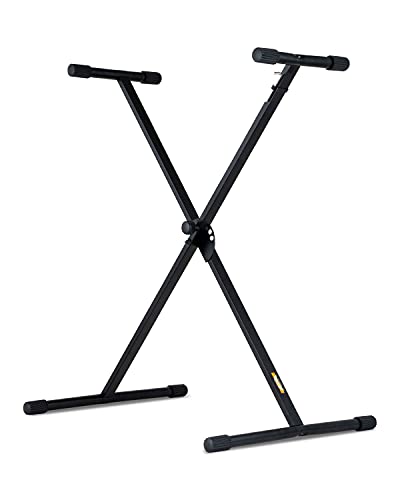
For those who need a reliable stand, the Stage Rocker Single-X Style Classic Folding stand offers adjustable width and height, making it a practical companion for any stage piano. Its foldable design ensures easy storage and transport.
Connectivity and Extra Features
Modern stage pianos often double as MIDI controllers and audio interfaces. USB audio/MIDI connectivity allows you to integrate with DAWs and software like Apple MainStage. Additional features like built-in rhythms, layering capabilities, and assignable outputs can significantly enhance your live performance.
If you’re a producer or enjoy incorporating virtual instruments, a stage piano with robust USB functionality is a smart investment. For more on integrating keyboards into your setup, our best MIDI keyboard article offers valuable insights.
Final Thoughts
Choosing the best stage piano ultimately comes down to your personal preferences and performance needs. For a blend of exceptional sound, playability, and modern features, the Roland RD-88 EX Stage Piano, 88-Note Keyboard is a fantastic all-rounder. If you’re seeking the pinnacle of stage piano craftsmanship and are willing to invest in top-tier sound and action, the Nord Piano 6 88-key Stage Piano is a worthy choice for the most discerning performers.
Frequently Asked Questions
What is the difference between a stage piano and a digital piano?
Stage pianos are designed primarily for live performance, prioritizing portability, a wide range of sounds, and connectivity options. Digital pianos often focus more on replicating the acoustic piano experience, with built-in speakers and a home-friendly design. However, many modern stage pianos, like the Roland RD-88 EX, include built-in speakers, blurring the lines.
Do I need a stage piano with built-in speakers?
It depends on your usage. Built-in speakers are convenient for practice and small gigs, eliminating the need for external amplification. For larger venues, you’ll likely connect to a PA system or powered speakers. The Roland RD-88 EX offers room-filling onboard speakers, making it a flexible option for various settings.
Can I use a stage piano for home recording?
Absolutely. Most stage pianos feature USB audio/MIDI interfaces, allowing you to connect directly to your computer for recording. They also function as MIDI controllers, letting you play virtual instruments in your DAW. For more on integrating keyboards into your home studio, check our guide on digital pianos for beginners.
What accessories do I need for a stage piano?
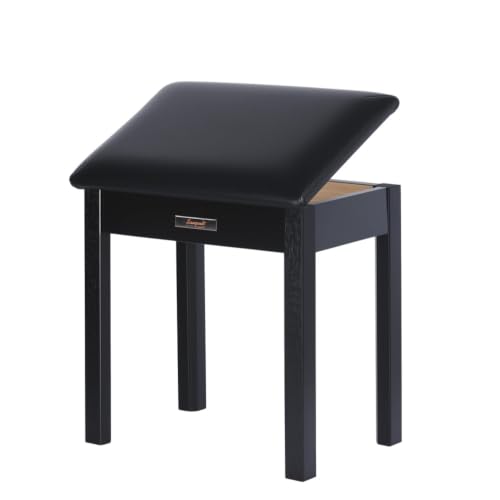
Essential accessories include a sturdy keyboard stand, a sustain pedal, and a quality pair of headphones for silent practice. A padded bench can also enhance your comfort during long playing sessions. The OnStage KB9503B Height-Adjustable Piano Bench is a great addition to any setup.