You’ve decided to learn piano, and now you face a crucial choice: which keyboard to buy? As a beginner, you need an instrument that feels like a real piano but fits your budget and space. Weighted keys are essential because they simulate the resistance of acoustic piano keys, helping you build proper finger strength and technique from day one. Without them, you risk developing bad habits that are hard to unlearn. This guide covers the best weighted keyboards for beginners in 2026, focusing on models that balance quality, features, and affordability. We’ve evaluated six top contenders from brands like Donner, Alesis, and Zilvok to help you make an informed decision. For a broader look at weighted options, check out our best weighted keyboard guide.


Buying Guide: What to Look for in a Beginner Weighted Keyboard
Key Action and Feel
The most important feature is the key action. Weighted keys come in two main types: fully weighted (hammer action) and semi-weighted. Fully weighted keys feel heavier and more like an acoustic piano, ideal for building finger strength. Semi-weighted keys are lighter but still offer resistance, making them easier for beginners to press. Both are valid choices, but if you plan to transition to an acoustic piano later, fully weighted is better. For a detailed comparison, see our best 88 key weighted keyboard roundup.
Number of Keys
For serious learning, 88 keys are essential. They cover the full range of a standard piano, allowing you to play any piece without limitations. Many beginner keyboards offer 61 or 76 keys, but these restrict your repertoire. All the models we reviewed have 88 full-size keys, ensuring you won’t outgrow your instrument quickly. If you’re on a tight budget, consider a compact 88-key option, but always prioritize full-size keys.
Sound Quality and Polyphony
A good digital piano should produce realistic, rich sounds. Look for models with multiple built-in voices (like grand piano, electric piano, organ) and effects like reverb. Polyphony, the number of notes that can sound simultaneously, is crucial. Higher polyphony (128 notes or more) prevents notes from cutting off during complex passages. Beginners may not notice this immediately, but it matters as you progress. For more tips, browse our best keyboard piano for beginners guide.
Connectivity and Extras
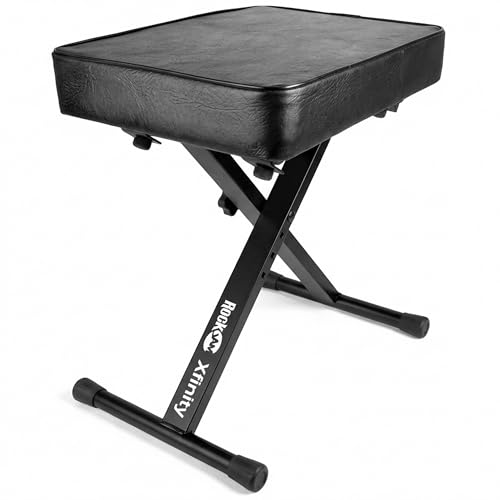
Modern keyboards offer USB-MIDI for connecting to computers, tablets, or apps, which is great for learning software and recording. Bluetooth is a bonus for wireless audio streaming. Also check for headphone jacks (for silent practice), sustain pedal input, and audio outputs. Many beginner bundles include stands, benches, and headphones, saving you money and hassle. Our best keyboard piano article covers more features to consider.
Final Thoughts
Choosing the right weighted keyboard as a beginner sets the foundation for your musical journey. For a budget-friendly option with excellent features, the 88 Key Piano Keyboard,Electric Digital Piano from Zilvok offers semi-weighted keys, a huge sound library, and a complete starter kit. If you prefer a more authentic piano feel with fully weighted hammer action, the Donner DEP-20 Beginner Digital Piano 88 Key Full is a fantastic choice with adjustable touch response and high polyphony. Both models are highly rated and perfect for beginners in 2026. Explore our beginner keyboards category for more options.
Frequently Asked Questions
What is the difference between weighted and semi-weighted keys?
Weighted keys (fully weighted) mimic the resistance of an acoustic piano’s hammer action, providing a heavier, more realistic feel. Semi-weighted keys are lighter but still offer some resistance, making them easier to press for beginners. Both help develop finger strength, but fully weighted is closer to a traditional piano experience.
Do I need 88 keys as a beginner?
Yes, 88 keys are recommended for serious learning. They cover the full piano range, allowing you to play any piece without limitations. While 61 or 76 keys are cheaper, they restrict your repertoire and may require an upgrade later. All our reviewed models have 88 keys.
Can I use a weighted keyboard with learning apps?
Absolutely. Most modern weighted keyboards include USB-MIDI connectivity, allowing you to connect to computers, tablets, or smartphones. This works with popular learning apps like Skoove, Melodics, and Simply Piano. Some models also offer Bluetooth for wireless connection. For more app-friendly options, see our best keyboard piano for beginners guide.
What polyphony do I need as a beginner?
For beginners, 64-note polyphony is sufficient, but 128 notes or more is ideal. Higher polyphony prevents notes from cutting off during complex passages or when using sustain pedal. Most quality weighted keyboards in 2026 offer at least 128-note polyphony, ensuring smooth performance as you progress.