You’ve decided to learn piano, but the sheer number of keyboard options can feel overwhelming. Do you need 61 keys or 88? Weighted keys or not? Should you buy a bundle with a stand and headphones? This guide cuts through the noise and presents the best keyboard pianos for beginners in 2026, offering a range of choices that balance quality, features, and value. Whether you’re a complete novice or a returning player, we’ve got a recommendation for you.
We’ve evaluated dozens of models, considering key action, sound quality, built-in learning tools, and the overall package. Our goal is to help you find an instrument that feels inspiring and supports your progress from day one. For a deeper dive into choosing your first digital piano, check out our guide to the best digital pianos for beginners.




Buying Guide: How to Choose the Best Keyboard Piano
Before you hit the buy button, consider these four essential factors. They will shape your playing experience and ensure you pick the best keyboard piano for your needs.
Number of Keys: 61 vs. 88
The number of keys determines your repertoire. A 61-key keyboard is lightweight and perfect for beginners focusing on pop, rock, and basic classical pieces. It’s also more portable and budget-friendly.
An 88-key digital piano offers the full range of an acoustic piano, which is essential for classical repertoire and advanced playing. If you plan to progress seriously, an 88-key model like the YAMAHA P71 88-Key Weighted Action Digital Piano is a wise investment. For a broader perspective on full-size options, read our best digital piano overview.
Weighted vs. Semi-Weighted Keys
Weighted keys mimic the resistance of an acoustic piano, building finger strength and improving technique. Full-weighted keys are heavier, while semi-weighted keys offer a lighter touch, making them easier for beginners to press.
If you want a realistic feel without the high price tag, semi-weighted keys, like those on the 88 Key Piano Keyboard,Electric Digital Piano, are an excellent compromise. For a more authentic acoustic experience, the fully weighted action of the YAMAHA P71 is hard to beat.
Learning Features and Built-in Tools
Modern keyboards are powerful learning tools. Look for features like built-in demo songs, rhythms, and teaching modes. Some models, like the JIKADA 61 Key, even have lighted keys to guide your fingers.
Connectivity is also key. USB-MIDI allows you to use apps like Simply Piano, while Bluetooth can stream audio from your phone. These features are not just gimmicks; they can significantly accelerate your learning curve. Explore the keyboards category for more options.
Bundle vs. Bare Keyboard
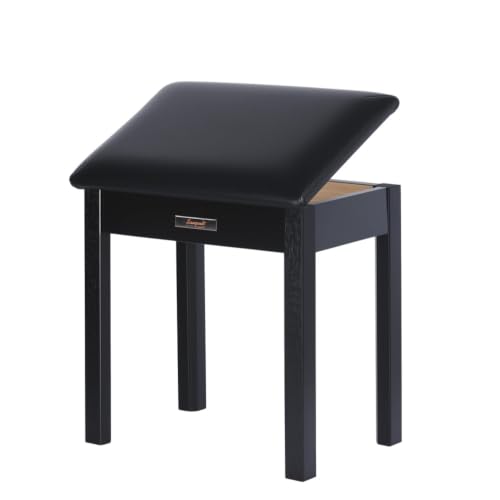
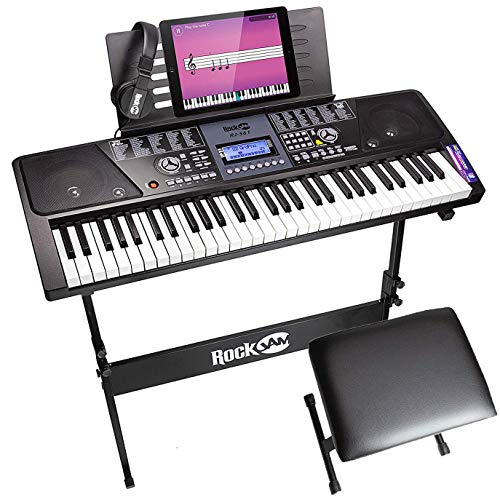
Many beginner keyboards come as complete bundles, including a stand, bench, headphones, and sometimes a microphone. These packages offer incredible value and convenience, ensuring you have everything you need to start playing immediately.
If you already have some accessories or prefer a minimalist setup, a standalone keyboard might be more appealing. However, for most beginners, a bundle like the Donner 61 Key Keyboard Piano is the simplest and most cost-effective route.
Final Thoughts
Choosing the best keyboard piano for beginners ultimately comes down to your goals, budget, and space. For a full, authentic piano experience that will grow with you, the YAMAHA P71 88-Key Weighted Action Digital Piano is our top recommendation, offering premium feel and sound. If you’re looking for a versatile, all-in-one package that’s perfect for family fun and learning, the Donner 61 Key Keyboard Piano is an outstanding choice, providing everything you need to start your musical journey today.
Frequently Asked Questions
What is the best keyboard piano for a complete beginner?
For a complete beginner, we recommend a 61-key keyboard with a bundle, such as the RockJam RJ561 or the Donner DEK-610S. These models include a stand, bench, and headphones, and their built-in learning features make practice engaging and effective.
Do I need 88 keys as a beginner?
Not necessarily. A 61-key keyboard is sufficient for most beginner songs and is more portable and affordable. However, if you plan to play classical piano or want to avoid outgrowing your instrument, an 88-key model like the Alesis Recital Play is a better long-term investment.
What is the difference between weighted and semi-weighted keys?
Weighted keys simulate the heavier action of an acoustic piano, which helps build finger strength. Semi-weighted keys are lighter and easier to press, often preferred by beginners who find full weight tiring. Both are excellent, but your choice depends on your comfort and musical goals.
Can I connect a keyboard piano to my computer or tablet?
Yes, most modern keyboards feature USB-MIDI or Bluetooth connectivity. This allows you to use educational apps like Simply Piano or record your playing in a DAW. Check the product specifications to ensure it has the connectivity you need. For more tips, see our beginner keyboards guide.