You’ve finally decided to learn piano, or maybe you’re upgrading from a basic keyboard. The search for the right digital piano can feel overwhelming with so many models available. You need an instrument that feels like an acoustic piano, sounds great, and fits your budget. This guide breaks down the best digital pianos of 2026, helping you find the perfect match for your skill level and goals.
We’ve evaluated dozens of models, focusing on key features like weighted keys, sound quality, connectivity, and included accessories. Whether you’re a beginner looking for a complete kit or an experienced player seeking a home piano, our picks cover a range of needs. Let’s dive in and find your ideal instrument.


Buying Guide: How to Choose the Best Digital Piano
When shopping for a digital piano, you’ll encounter a range of features and specifications. Understanding these key aspects will help you make an informed decision. Here are the most important factors to consider.
Weighted Keys: The Feel of an Acoustic Piano
The action of the keys is crucial for developing proper technique. Weighted keys simulate the resistance of an acoustic piano, allowing for expressive playing. Look for “hammer action” or “semi-weighted” keys, which offer a more realistic touch than unweighted keys.
For beginners, semi-weighted keys are a great starting point, as they provide a balance between playability and cost. Advanced players may prefer fully weighted keys for a more authentic experience. Consider your skill level and how much you value the touch.
Sound Quality and Polyphony
The sound engine determines how realistic the piano sounds. High-quality digital pianos sample acoustic grand pianos, capturing every nuance. Polyphony refers to the number of notes the piano can produce simultaneously; more polyphony allows for complex pieces without dropped notes.
For most players, 64-note polyphony is sufficient, but 128 or more is ideal for advanced repertoire. Listen to the built-in speakers, but also consider using headphones for a more immersive experience. A good sound engine makes practice more enjoyable.
Connectivity and Features
Modern digital pianos offer USB-MIDI connectivity, allowing you to connect to computers, tablets, and apps for learning and recording. Some models include Bluetooth for wireless connection. Additional features like built-in rhythms, demo songs, and recording functions can enhance your practice.
Think about how you plan to use the piano. If you want to use educational apps, ensure the piano has USB-MIDI. If you enjoy playing along with backing tracks, look for models with a variety of rhythms and sounds. These features can significantly expand your creative possibilities.
Included Accessories and Portability
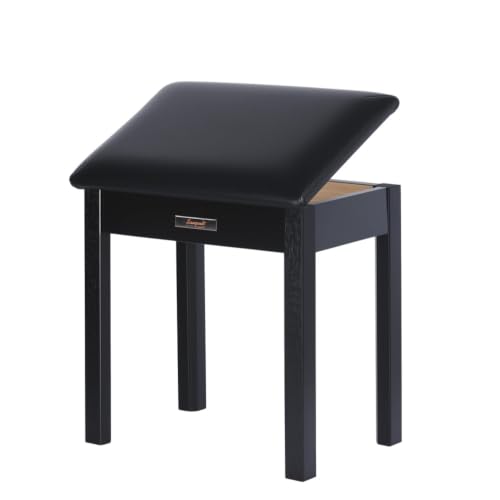
Many digital pianos come with accessories like a sustain pedal, stand, bench, and even headphones. These bundles offer great value, especially for beginners. Consider whether you need a portable keyboard for gigs or a home console with a furniture stand.
If you plan to move the piano often, opt for a lightweight model with a carrying case. For a permanent home setup, a full-sized console with a bench is more comfortable. The right accessories can make your practice sessions more productive and enjoyable.
Final Thoughts
Choosing the best digital piano depends on your personal needs and budget. For a comprehensive beginner package with everything you need to start, the 88 Key Piano Keyboard,Electric Digital Piano is an excellent choice. If you prefer a more authentic feel and are willing to invest a bit more, the YAMAHA P71 88-Key Weighted Action Digital Piano offers exceptional quality and reliability. Both are fantastic instruments, but they cater to different priorities, so consider what matters most to you.
Frequently Asked Questions
What is the best digital piano for beginners?
For beginners, we recommend the Alesis Recital Play 88-Key Piano Keyboard Bundle. It offers 88 touch-sensitive keys, 480 sounds, and educational features like Lesson Mode, making it perfect for learning. Plus, it comes with a stand, bench, and headphones, so you have everything you need to get started.
How many keys should a digital piano have?
A full-size digital piano should have 88 keys, matching an acoustic piano. This ensures you can play any piece of music without limitation. Some compact models have 61 or 76 keys, but they are not ideal for serious study.
Do I need weighted keys on a digital piano?
Weighted keys are highly recommended, especially if you plan to transition to an acoustic piano later. They help build finger strength and technique. Semi-weighted keys are a good compromise for beginners, while fully weighted keys offer the most realistic feel.
Can I connect a digital piano to my computer?
Yes, most digital pianos feature USB-MIDI connectivity, allowing you to connect to a computer for music production or educational software. Some models also support Bluetooth for wireless connections. Check the specifications to ensure the piano has the connectivity you need.