

Imagine you’re finally ready to practice your favorite Chopin nocturne, but the household is asleep, or the neighbors are sensitive to sound. You plug in your headphones, and suddenly, the world fades away, leaving only you and the music. That’s the magic of a great pair of piano headphones. Whether you’re a beginner exploring a portable digital piano or a seasoned pro with a full console, the right headphones can transform your practice sessions. This guide covers the best headphones for playing piano, focusing on models that pair perfectly with digital pianos and keyboards.


Buying Guide: What to Look For in Piano Headphones
Choosing the right headphones for your piano isn’t just about picking any pair that fits. You need to consider comfort, sound quality, and how they connect to your instrument. Here are the key factors we evaluated when selecting our top picks.
Comfort and Fit for Long Practice Sessions
When you’re practicing for an hour or more, comfort becomes non-negotiable. Look for headphones with plush ear cushions and an adjustable headband. Over-ear designs, like those from Alesis, often provide better padding and a more secure fit than on-ear models. The Alesis Recital bundle includes headphones with leather cushioning and a flexible headband, designed for hours of comfortable use. A good fit also helps with sound isolation, keeping you immersed in your music.
Weight matters too. Heavier headphones can cause neck strain during long sessions. Lightweight options, such as the ones included with the Hricane keyboard, are ideal for younger players or those who prefer a less bulky feel. Always check the clamping force; it should be firm enough to stay in place but not so tight that it gives you a headache.
Sound Quality: Clarity and Frequency Response
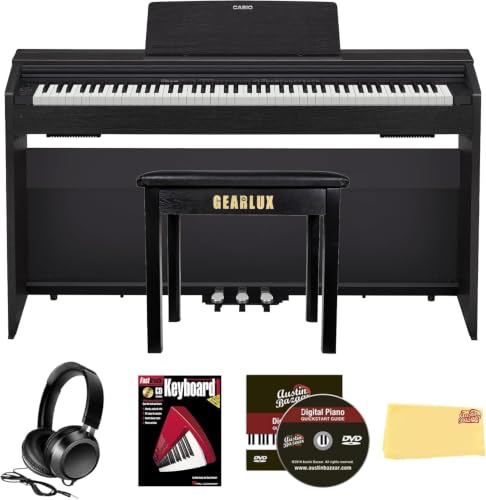
The whole point of using headphones is to hear every nuance of your playing. You want a balanced frequency response that accurately reproduces the piano’s range, from the deep bass of the lower keys to the sparkling highs of the upper register. Headphones with a wide frequency range will capture the full tonal palette of your digital piano. For example, the Casio PX-870 bundle promises stunning sound quality, and the included headphones are designed to deliver detailed resonance.
Another factor is impedance. Most digital pianos and keyboards have a headphone jack that works best with lower-impedance headphones (around 32 ohms or less). This ensures you get sufficient volume without needing an external amplifier. All the headphones in our list are compatible with standard 3.5mm or 1/4-inch jacks, making them plug-and-play with your instrument.
Connectivity and Compatibility
Check what connectors your piano or keyboard has. Most digital pianos feature a 1/4-inch headphone output, while many portable keyboards use a 3.5mm jack. The Alesis Recital, for instance, has a 1/4-inch stereo headphone output, so you’ll need headphones with a 1/4-inch plug or an adapter. The Hricane keyboard includes a 3.5mm jack, and its bundle comes with a microphone and audio cable, adding versatility. If you plan to use your headphones with multiple devices, like a tablet or smartphone for learning apps, look for models with a detachable cable or a 3.5mm connector that works universally.
Wireless options are becoming popular, but for piano playing, a wired connection is often preferred for zero latency. Bluetooth can introduce a slight delay, which is distracting when you’re trying to keep time. If you do want wireless, ensure your piano supports aptX Low Latency, but for most players, a reliable wired pair is the safest bet. For more on portable setups, check our portable digital pianos category.
Durability and Build Quality
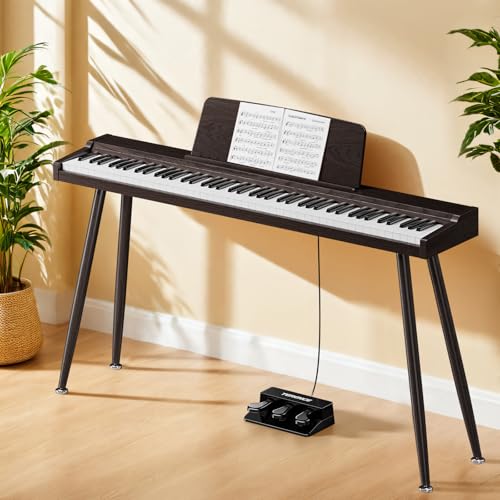
Investing in a decent pair of headphones means you expect them to last. Look for reinforced cables, sturdy hinges, and quality materials. The TERENCE 88-key piano bundle includes headphones that are built to withstand regular use. Similarly, the Casio bundle comes with a polishing cloth, indicating a focus on maintenance and longevity. A sturdy carry case or a detachable cable can extend the life of your headphones significantly.
Final Thoughts
Choosing the best headphones for playing piano ultimately comes down to your personal needs and budget. For a complete package that includes a quality digital piano and headphones, the Alesis Recital – 88 Key Digital Piano Keyboard bundle is an excellent value, offering both a versatile instrument and comfortable headphones. If you’re looking for a more premium experience with a furniture-style piano and superior audio, the Casio PX-870 Privia Digital Piano bundle is a fantastic choice. Both options provide everything you need to start practicing in silence, ensuring your music never disturbs others.
Frequently Asked Questions
Can I use any headphones with my digital piano?
Yes, in most cases. Digital pianos and keyboards typically have a 1/4-inch or 3.5mm headphone jack. You may need an adapter if your headphones have a different plug size. As long as the impedance is within a reasonable range (under 50 ohms), any standard headphones will work.
What is the best headphone type for piano practice?
Over-ear, closed-back headphones are generally recommended for piano practice. They provide better sound isolation, so you won’t hear external noise, and they prevent sound from leaking out, which is perfect for quiet practice. They also tend to be more comfortable for extended sessions.
Do I need special headphones for a digital piano?
No, but you should look for headphones with a flat frequency response to accurately reproduce the piano’s sound. Avoid heavily boosted bass or treble, as that can mask the true tone of your instrument. Many bundles, like the ones from Alesis and Casio, include headphones that are specifically tuned for piano use.
Are wireless headphones good for playing piano?
Wireless headphones can be convenient, but they may introduce latency, which can be frustrating when playing. For the best experience, we recommend wired headphones. If you prefer wireless, look for models with aptX Low Latency support. For more on digital piano options, explore our Roland VST guide.


