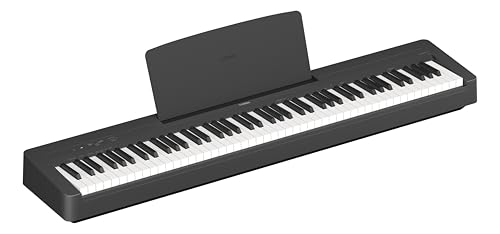

Are you an aspiring pianist looking for a digital piano that feels and sounds like an acoustic grand, without the maintenance or space requirements? The Yamaha Arius series, including the popular YDP103, offers a solution with its authentic weighted keys and rich grand piano tones. In this review, we will explore the top Arius models, focusing on what makes them stand out for beginners, intermediate players, and even advanced pianists.
Choosing the right digital piano can be overwhelming with so many options. Our guide breaks down the key differences between models like the YDP-146 and YDP-166, helping you decide which one fits your needs and skill level. We’ll look at keyboard action, sound quality, and connectivity features to ensure you make an informed choice.


Buying Guide: What to Look for in a Yamaha Arius Digital Piano
Keyboard Action and Feel
The heart of any digital piano is its keyboard action. Yamaha Arius models feature either the Graded Hammer Standard (GHS) or the more advanced GrandTouch-E action. GHS provides a heavier touch in the lower octaves and lighter in the higher ones, mimicking an acoustic piano. The GrandTouch-E offers even more realistic resistance and response, ideal for expressive playing.
For beginners, GHS is more than sufficient to build proper finger technique. If you’re an advanced player or plan to play classical repertoire, the GrandTouch-E action in the YDP-166 models will feel more authentic. Our review of the Yamaha 88-key weighted action digital pianos highlights how these actions compare.
Sound Engine and Voices
Yamaha’s Arius series uses samples from the renowned CFX concert grand piano. Models like the YDP-146 and YDP-166 include both damper and string resonance, adding a level of depth and realism that’s rare at this price point. The YDP-105 offers a simpler but still impressive grand piano sound, along with 9 other instrument voices.
If you value a rich, resonant tone that can inspire your practice sessions, look for models with the CFX sound engine. For those who want variety, the additional voices on the YDP-105 and YDP-146 are a nice bonus. Classical pianists will appreciate the authentic grand piano reproduction, as discussed in our guide for classical pianists.
Connectivity and Modern Features
In today’s digital age, connectivity is key. Most Arius models come with Bluetooth Audio and MIDI, allowing you to stream music from your phone or tablet, and connect to learning apps like Flowkey. This is a game-changer for practice and entertainment. You can also use the dual headphone jacks for silent practice or duets with a teacher.
If you plan to record your playing or use music production software, the MIDI connectivity is essential. Our article on the best digital pianos for recording offers further insights. The YDP-166 models offer the same connectivity as the YDP-146, but with the upgraded action and sound engine.
Design and Space Requirements
The Arius series features elegant upright cabinets that blend into any home decor, with options in black, rosewood, and white. They come with a matching bench and a 3-pedal unit, providing a complete piano experience. Consider the dimensions and weight if you have limited space, but these are designed to be furniture-grade pieces.
If you’re an advanced player, the classic upright design is not just about looks; it also provides a stable and comfortable playing experience. For more advanced options, you might want to check our recommendations for advanced players. The YDP-166 models, with their enhanced features, are a step up from the YDP-146.
Final Thoughts
After reviewing the range, our top recommendations are the Yamaha Arius Series 88-Key Weighted Digital Piano for its superior GrandTouch-E action and resonant CFX sound, ideal for serious pianists, and the Yamaha Arius Series 88-Key Weighted Action Upright for those seeking an affordable yet authentic grand piano experience. Whichever you choose, the Arius series delivers quality and reliability that will support your musical journey for years to come.
Frequently Asked Questions
What is the difference between the Yamaha YDP-146 and YDP-166?
The YDP-146 uses the Graded Hammer Standard (GHS) action, while the YDP-166 features the more advanced GrandTouch-E action, which offers a more realistic and expressive touch. The YDP-166 also includes a slightly richer sound engine with more resonance. Both are excellent, but the YDP-166 is better for advanced players.
Is the Yamaha Arius YDP-103 still a good choice in 2026?
Absolutely, the YDP-103 remains a solid entry-level digital piano, offering the classic Arius feel and sound. However, newer models like the YDP-146 and YDP-166 provide enhanced features such as Bluetooth connectivity and improved keyboard actions. If you can stretch your budget, we recommend considering the newer models for better long-term value.
Can I use headphones with the Yamaha Arius digital pianos?
Yes, all Arius models come with dual headphone jacks, allowing you to practice silently without disturbing others. This is perfect for late-night practice or for two players to practice together. Plug in your favorite headphones and enjoy the rich sound without any distractions.
Are the Yamaha Arius digital pianos suitable for beginners?
Definitely. The weighted keys help beginners develop proper finger technique, and the built-in lesson songs and connectivity to learning apps like Flowkey make practice engaging. If you’re just starting, the YDP-146 is an excellent choice, as it balances quality and affordability. For more beginner advice, check our guide to the best pianos for beginners.
We hope this Yamaha YDP103 Arius review has given you the clarity you need. Whether you choose the YDP-105, YDP-146, or YDP-166, you’re investing in a piano that will serve you well for years. Happy playing!