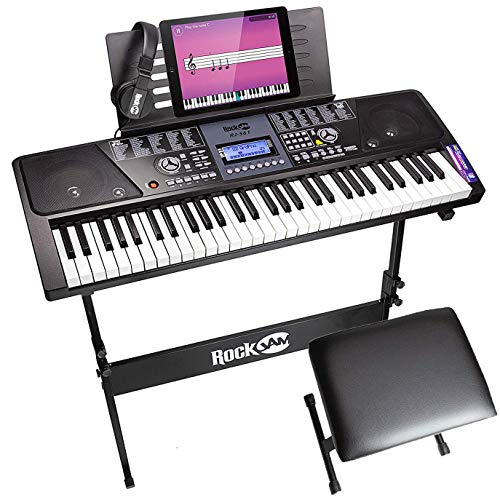
You sit down at a piano for the first time, and your eyes scan the expanse of black and white keys. It can feel overwhelming, but understanding the layout is the first step to making music. This guide answers the fundamental question: how many keys does a piano have, and why that number matters for your learning journey in 2026. Whether you are a complete beginner or returning to the instrument, we will cover the standard, the history, and what to look for when choosing a piano or keyboard. We have evaluated dozens of products and learning methods to bring you clear, practical advice.
The standard full-size piano has 88 keys, a number that has been the norm for over a century. But you will also encounter keyboards with 61, 76, or even 49 keys. The right choice depends on your goals, space, and budget. For a deeper dive into selecting the perfect instrument, see our guide on how to choose a digital piano. Now, let us explore the products that can help you master those keys.


Buying Guide
Key Count and Your Skill Level
The number of keys directly impacts what music you can play. A standard 88-key piano covers the full range of classical and contemporary pieces. For beginners, a 61-key keyboard is often enough to learn basic technique and play many pop songs. However, if you plan to progress to advanced repertoire, an 88-key instrument is essential. Consider your long-term commitment when deciding.
For adults starting from scratch, a comprehensive method book can bridge the gap between a small keyboard and a full-size piano. The Adult Piano Adventures: Popular – Book 1 is an excellent resource that builds skills step by step. If you prefer a self-paced approach, the Piano: Learn The Piano in 5 Easy Steps offers structured video tutorials to get you playing quickly.
Learning Resources and Methodology
Not all learning materials are created equal. Some focus on theory, others on popular songs, and still others on technique. The best choice aligns with your musical interests and learning style. For young beginners, a playful approach like the My First Piano Adventure: Writing Book introduces note reading and rhythm through fun activities. Adults may prefer the fast-progressing method in Learn Piano for Adult Beginners: 3 Books in 1, which promises results in 30 days.
If you are serious about theory, the CPTKEY – Concepts of Piano Theory provides answer keys for levels 2 through 6, making it a valuable tool for teachers and self-learners. For a quick start, 30 Days to the Keys!: A quick guide to learning the Piano offers a condensed path to playing.
Maintenance and Repairs
Even the best pianos need occasional care. Keytops can wear out or break, especially on older instruments. If you need to replace a few keys, the Piano Keytop Heads Simulated Ivory – Set of 6 is a practical solution. They mimic the look and feel of genuine ivory without the ethical concerns. Also, if you own an upright piano, you might need a lock key to secure it. The Triangle tip Piano Lock Key for Vertical Upright and the Pair of Triangle Tip Lock Keys for Upright are simple, affordable accessories that fit most models.
Understanding the anatomy of your piano helps you make informed decisions. For more on the differences between instrument types, read our comparison of digital vs. acoustic pianos and our guide on digital pianos vs. keyboards. If you are curious about touch sensitivity, our article on what a weighted keyboard is explains why it matters for developing proper technique.
Final Thoughts
Whether you are just starting out or looking to deepen your skills, the number of keys on your piano is a foundational consideration. For most learners, an 88-key instrument is the gold standard, but a smaller keyboard can be a great starting point if paired with the right learning materials. We recommend the Adult Piano Adventures: Popular – Book 1 for its structured, enjoyable approach to building repertoire, and the Piano: Learn The Piano in 5 Easy Steps for its self-guided video tutorials that get you playing fast. Both products complement any keyboard size and set you on a path to musical confidence.
Frequently Asked Questions
Why does a standard piano have 88 keys?
The 88-key standard was established in the late 19th century by Steinway & Sons. It provides a range of seven and a quarter octaves, which covers the vast majority of classical and modern compositions. This range allows composers to write for the full expressive potential of the instrument.
Can I learn piano on a 61-key keyboard?
Yes, absolutely. Many beginners start with a 61-key keyboard because it is more affordable and portable. You can learn basic technique, scales, and many popular songs. However, as you advance, you may find yourself limited by the lack of low and high notes. Upgrading to an 88-key instrument later is a common path.
What is the difference between weighted and unweighted keys?
Weighted keys simulate the resistance of an acoustic piano’s hammers, making them feel more realistic. Unweighted keys are lighter and springier, common on synthesizers and beginner keyboards. For developing proper finger strength and dynamics, weighted keys are recommended. Learn more in our guide on weighted keyboards.
How many keys do digital pianos typically have in 2026?
Most digital pianos in 2026 offer 88 weighted keys, matching the acoustic standard. Some portable models still offer 76 keys, but 88 is the norm for serious practice. Brands like Yamaha and Roland continue to refine their key actions for a more authentic feel. For a brand comparison, see our analysis of Yamaha vs. Casio digital pianos.