

You sit down at a digital piano for the first time, press a key, and something feels off. The keys are too light, too springy, nothing like the grand piano at your teacher’s studio. This is the moment you realize that not all keyboards are created equal. What you need is a weighted keyboard, an instrument designed to mimic the resistance and response of an acoustic piano. In this guide, we will explain exactly what a weighted keyboard is, why it matters for your playing, and review the top models available in 2026 for beginners and beyond. If you are just starting out, you might also want to check out our guide on the best weighted keyboard for beginners to narrow down your choices.


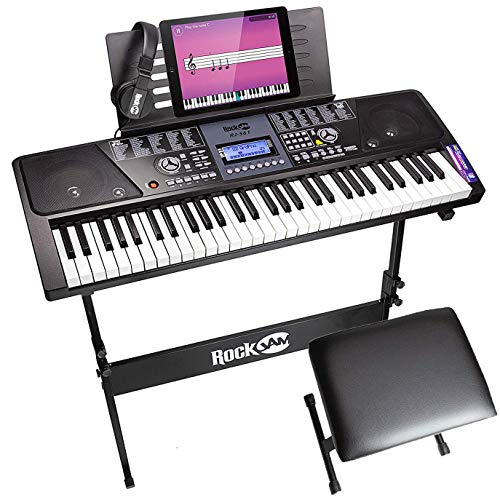


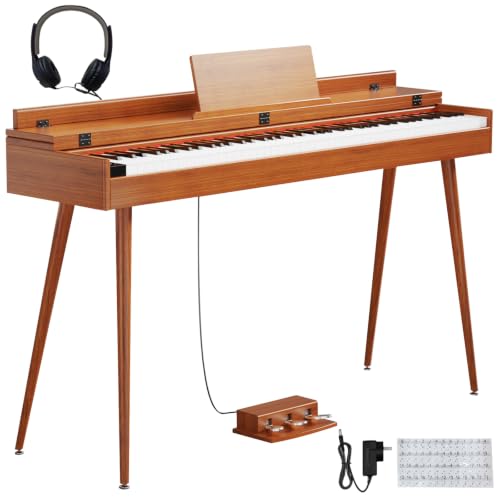


Buying Guide
Key Action Types: Weighted vs. Semi-Weighted vs. Unweighted
The most important decision when choosing a weighted keyboard is the type of key action. Fully weighted keys, often called hammer action, use internal mechanisms to simulate the weight and resistance of an acoustic piano. Semi-weighted keys are lighter but still offer some resistance, making them a good middle ground for beginners who want a realistic feel without the heaviness. Unweighted keys, common on entry-level keyboards, feel springy and lack the tactile feedback needed for proper finger development. For a deeper dive into the differences, read our article on best 88 key weighted keyboards for a comparison of fully weighted models.
Number of Keys: Why 88 Keys Matter
Most weighted keyboards come with 88 keys, the same as a standard acoustic piano. This full range is essential for playing classical pieces, jazz standards, or any music that spans the entire keyboard. Some weighted keyboards have 61 or 76 keys, but these are less common for serious learners. If you plan to progress beyond beginner level, an 88-key weighted keyboard is the recommended choice. Check out our roundup of the best weighted keyboards for more options.
Touch Sensitivity and Response
Touch sensitivity, or velocity sensitivity, determines how the keyboard responds to your playing dynamics. A good weighted keyboard will have adjustable touch settings, allowing you to choose between light, medium, or heavy response. This feature is crucial for developing expressive playing, as it lets you control volume and tone by varying your finger pressure. Models like the Donner DEP-20 Beginner Digital Piano 88 Key Full offer multiple touch response options to suit different playing styles.
Connectivity and Extra Features
Modern weighted keyboards come with a range of connectivity options that enhance your learning and performance. USB-MIDI allows you to connect to computers and tablets for music production or educational apps like Skoove and Melodics. Bluetooth audio lets you play along with songs wirelessly. Headphone jacks are essential for quiet practice, and some models even have dual headphone outputs for teacher-student sessions. For more on how weighted keyboards compare to other instruments, see our article on digital piano vs keyboard.
Final Thoughts
Choosing the right weighted keyboard can transform your practice sessions and accelerate your progress as a pianist. For those who want a complete beginner bundle with everything included, the MSTNE Digital Piano 88 Key Weighted with Piano offers an excellent value with its stand, bench, and accessories. If you prefer a more portable option with premium sound, the Yamaha P225 88-Key Digital Piano with Weighted is a top-tier choice that will serve you well for years to come. Whichever you pick, a weighted keyboard is an investment in your musical journey that will pay off with every note you play.
Frequently Asked Questions
What is the difference between weighted and semi-weighted keys?
Weighted keys use hammer action to simulate the resistance of an acoustic piano, while semi-weighted keys are lighter and often use springs for a quicker response. Semi-weighted keys are easier on the fingers for beginners but may not provide the same level of control for advanced techniques.
Do I need a weighted keyboard as a beginner?
Yes, starting with a weighted keyboard helps you develop proper finger strength and technique from the beginning. It makes transitioning to an acoustic piano much easier and prevents bad habits like playing with flat fingers. For more advice, check our guide on alesis recital pro review for a balanced option.
Can I use a weighted keyboard for music production?
Absolutely. Most weighted keyboards include USB-MIDI connectivity, allowing you to use them as MIDI controllers with digital audio workstations (DAWs) like Ableton Live or GarageBand. The weighted action provides a more expressive playing experience for virtual instruments.
Are 61-key weighted keyboards good enough?
While 61-key weighted keyboards exist, they are less common and limit your range, especially for classical pieces that require the full 88 keys. For most learners, an 88-key weighted keyboard is recommended to avoid outgrowing the instrument too quickly. Browse our weighted keyboards category for more options.


