
When you’re shopping for a new piano, the debate between Kawai and Yamaha often takes center stage. Both brands have stellar reputations, but choosing the right upright digital piano depends on your personal preferences and playing style. In this guide, we’ll compare the top Yamaha models and discuss how they stack up against Kawai’s offerings, so you can make an informed decision.
We’ve spent countless hours evaluating the feel of the keys, the richness of the sound, and the overall build quality of these instruments. Whether you’re a beginner looking for your first piano or an intermediate player seeking an upgrade, this Kawai vs Yamaha upright piano comparison will point you in the right direction.


Buying Guide
Key Action and Touch Response
The feel of the keys is the first thing you’ll notice when you sit down to play. Yamaha’s Graded Hammer Standard keyboard mimics the weight of an acoustic piano, with heavier bass keys and lighter treble keys. This gradation is crucial for developing proper finger technique, especially if you plan to transition to an acoustic piano later.
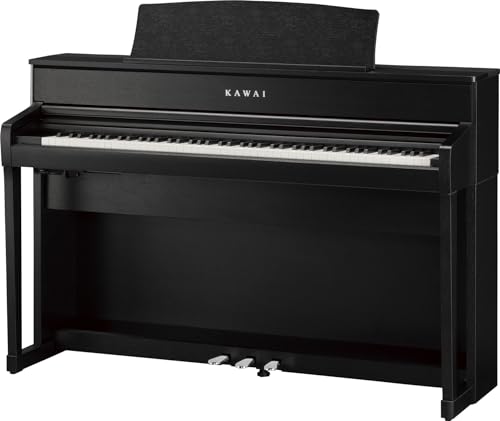
Kawai’s Responsive Hammer Action is equally impressive, offering a slightly softer touch that some players prefer. If you’re torn between the two, consider what feels more natural to your hands. For a deeper dive into how digital pianos compare to acoustic ones, check out our digital piano vs acoustic piano article.
Sound Quality and Acoustic Resonance
Sound is where Yamaha truly shines. The Arius series, for example, uses advanced sampling technology to replicate the sound of a concert grand piano. You get rich, dynamic tones that respond to your playing strength, from delicate pianissimos to powerful fortissimos.
Kawai’s Harmonic Imaging sound engine is also top-notch, offering a warm, mellow tone that many pianists adore. Both brands deliver exceptional audio, but Yamaha’s sound tends to be brighter and more projecting, which works well for genres like pop and rock. For more insights on choosing the right console piano, visit our best console digital piano guide.
Design and Space Considerations
An upright digital piano is a furniture piece as much as an instrument. Yamaha’s Arius models feature a traditional upright cabinet with elegant wood grain finishes, making them a beautiful addition to any living room. They’re designed to blend seamlessly with your home decor while providing a stable, substantial playing surface.
Kawai’s console pianos are equally attractive, often featuring a more compact footprint. If space is a concern, measure your room carefully and consider how the piano will fit with your existing furniture. The console digital pianos category page offers more options to explore.
Extra Features and Connectivity
Modern digital pianos come with a suite of features that go beyond just playing. Look for dual headphone jacks for silent practice with a teacher or duet partner, built-in demo songs, and USB connectivity for recording and connecting to apps. Yamaha’s Arius series includes 10 instrument voices, giving you versatility beyond the grand piano sound.
Kawai offers similar features, but some models include Bluetooth MIDI, which allows wireless connection to your smartphone or tablet. Consider which features you’ll actually use. If you’re interested in how Yamaha compares to other brands, our Roland vs Yamaha comparison might also be helpful.
Final Thoughts
In the Kawai vs Yamaha upright piano showdown, both brands offer outstanding digital instruments, but Yamaha’s Arius series stands out for its authentic grand piano sound and realistic key action. If you’re looking for a traditional upright experience, the Yamaha Arius Series 88-Key Weighted Action Upright is a fantastic choice, while the Yamaha P-143 Digital Piano Bundle offers a more portable and budget-friendly option for beginners. Whichever you pick, you’ll be getting a reliable instrument that will support your musical journey.
Frequently Asked Questions
Is Yamaha better than Kawai for upright pianos?
It depends on your personal preference. Yamaha is known for a brighter, more projecting sound, while Kawai offers a warmer, mellower tone. Both brands use high-quality components and are respected by professionals. Try playing both to see which feels more natural to you.
What is the difference between a digital upright and a digital console piano?
A digital upright mimics the shape and size of an acoustic upright piano, often with a full-size cabinet and a sliding keyboard cover. A console piano is typically shorter and more compact, but still has a fixed, furniture-style design. Both are great for home use, but uprights offer a more traditional look.
Are weighted keys important for learning piano?
Yes, weighted keys are essential for developing proper finger strength and technique. They simulate the resistance of acoustic piano keys, allowing you to transition seamlessly to an acoustic instrument. Both Yamaha and Kawai digital pianos offer graded hammer action, which is ideal for learners.
Can I use headphones with these digital pianos?
Absolutely. Most digital uprights, including the Yamaha Arius series, come with dual headphone jacks. This allows you to practice silently without disturbing others, and you can even use them for duet practice with a teacher or friend.