

You’ve finally decided to invest in a digital piano, but now a bigger question looms: Roland vs Yamaha digital piano. These two giants dominate the market, and each has a loyal following. Maybe you’re a beginner looking for your first weighted-key instrument, or a gigging musician who needs a reliable stage piano. This guide breaks down the key differences across six popular models to help you make an informed choice.
We’ve spent hours evaluating specifications, reading user feedback, and comparing features like key action, sound engines, and portability. Whether you prioritize the authentic feel of wooden keys or the convenience of Bluetooth connectivity, we’ve got you covered. Let’s dive into the details and find the piano that fits your playing style.


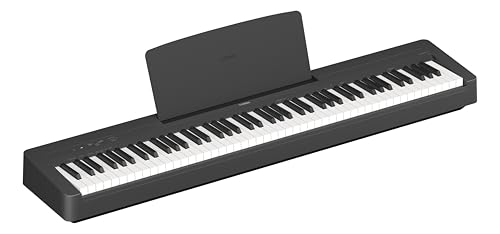


Buying Guide: What to Consider in a Digital Piano
Key Action and Touch Response
The feel of the keys is arguably the most important factor. Yamaha’s GrandTouch-S action, found on the Yamaha 88-Weighted Wooden Key Digital Piano, uses solid wood keys that mimic the response of an acoustic grand. Roland’s PHA-4 Standard keyboard, featured on the Roland FP-30X, offers a weighted hammer action with escapement, which many players find satisfying for expressive playing.
If you’re transitioning from an acoustic piano, you’ll want a keyboard that responds to subtle variations in touch. Both brands excel here, but the choice often comes down to personal preference. We recommend trying both if possible, but if you’re buying online, look for detailed reviews that mention key weight and rebound.
Sound Engine and Tone Quality
The sound engine determines how realistic the piano sounds. Yamaha uses samples from their flagship CFX and Bösendorfer concert grands, while Roland employs their SuperNATURAL and Piano Reality technologies. The Roland FP-40 Portable Digital Piano, for instance, uses Piano Reality modeling to recreate the full resonance of an acoustic piano. Yamaha’s Virtual Resonance Modeling (VRM) on the P525 adds depth by simulating string and cabinet resonance.
For headphone practice, binaural sampling is a game-changer. The Yamaha 88-Weighted Wooden Key Digital Piano includes this feature, making late-night practice sessions feel like you’re sitting at a grand. If you plan to record or perform live, pay attention to the polyphony and available voices.
Portability and Built-In Features
Consider where you’ll be playing. The Yamaha 88-Key Digital Piano with Weighted Keys is slim and lightweight, ideal for moving between rooms or taking to gigs. Roland’s FP series is also known for portability, with the FP-30X weighing under 32 pounds. Built-in speakers vary in power, so check wattage if you need to fill a room without external amplification.
Bluetooth is a modern convenience that many players appreciate. The Yamaha P225 and the Roland FP-40 both offer wireless connectivity for streaming music or using companion apps. If you plan to use learning apps like Smart Pianist, ensure the model you choose is compatible. For more insights on Roland’s lineup, check out our best Roland keyboard picks.
Budget and Value
Digital pianos range from entry-level to professional, and your budget will narrow down the options. The Yamaha 88-Key Digital Piano with Weighted Keys is an affordable choice for beginners, while the Roland RD-2000 EX is a high-end stage piano for serious performers. Keep in mind that accessories like stands, benches, and cases can add to the cost, so factor those in.
If you’re torn between other brands, our alesis vs roland might offer additional perspective. Remember, the best value is the instrument that meets your needs without breaking the bank.
Final Thoughts
Choosing between Roland and Yamaha ultimately comes down to your personal preferences and playing goals. For a portable, feature-rich option that excels in practice and small performances, the Roland FP-40 Portable Digital Piano is a stellar choice. If you crave the authentic touch of wooden keys and concert-grade sound, the Yamaha 88-Weighted Wooden Key Digital Piano is hard to beat. Both brands deliver exceptional quality, so you can’t go wrong.
Frequently Asked Questions
Which brand is better for beginners, Roland or Yamaha?
Both Roland and Yamaha offer excellent beginner models with weighted keys and quality sounds. The Yamaha P145 and Roland FP-30X are popular choices, but the best one for you depends on your budget and feel preference. We suggest trying them in a store if possible.
Do Roland and Yamaha digital pianos have weighted keys?
Yes, most models from both brands feature weighted keys that mimic the action of an acoustic piano. Roland uses PHA-4 Standard, while Yamaha uses GHS or GrandTouch-S, depending on the model. Always check the specifications to confirm.
Can I use Bluetooth headphones with these digital pianos?
Bluetooth audio is typically for streaming music, not for headphones. For silent practice, you’ll need to use the headphone jack with wired headphones. Some advanced models may offer Bluetooth MIDI, but that’s for connecting to apps, not audio output.
What is the difference between Roland’s SuperNATURAL and Yamaha’s CFX sampling?
Roland’s SuperNATURAL uses physical modeling to recreate the entire acoustic piano experience, while Yamaha samples actual recordings of their CFX grand. Both produce realistic tones, but modeling can offer more dynamic variation. For a deeper dive, explore our korg vs roland.
If you’re planning to connect external speakers, check our guide on best external speakers for digital piano to enhance your sound setup.


