

You are laying down a track in your home studio, and the drum sound just isn’t cutting it. Acoustic drums are loud, require multiple microphones, and can be a nightmare to mix. That’s where an electric drum set shines, offering consistent, high-quality sounds that integrate seamlessly with your recording setup. In this guide, we will explore the best electric drum set for recording studio use in 2026, covering top models from Roland and Alesis, and break down what to look for to make the right choice.
Whether you’re a seasoned producer or a beginner tracking your first EP, we’ve got you covered. We’ll examine the features that matter most for recording, from sound engines and connectivity to playability and expandability. Let’s dive in and find the perfect kit to elevate your productions.


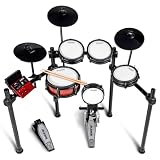
Buying Guide: What to Look For in a Recording Studio Drum Set
Choosing the right electric drum set for your recording studio involves more than just picking the most expensive model. You need to consider how the kit will fit into your workflow, the quality of its sounds, and how easily it connects to your audio interface. Here are the key criteria we evaluated for this guide.
Sound Engine and Module Quality
The sound module is the heart of any electronic drum set. For recording, you want a module with high-quality, realistic drum sounds that can stand up to mixing. Look for features like multiple drum kits, editable parameters, and a wide range of built-in sounds. The Roland TR-1000, for example, offers an analog engine with classic TR-808 and TR-909 sounds, perfect for electronic music production.
If you are producing genres like hip-hop or EDM, a drum machine like the Roland TR-06 Boutique might be more suitable than a traditional drum kit. It offers authentic vintage tones with modern sequencing capabilities, making it a versatile tool for beat-making in the studio.
Connectivity and Audio Interface Integration
Seamless integration with your recording setup is crucial. Most modern electric drums offer USB-MIDI and audio outputs, allowing you to record directly into your DAW. The Roland TR-1000 features a USB-C multi-channel audio/MIDI interface, which simplifies the recording process. For a more traditional drum set, the Alesis Nitro Pro includes USB-MIDI and standard audio outputs, making it easy to connect to your computer.
If you prefer a hardware-based setup, consider a dedicated drum monitor like the Roland PM-100. It provides high-quality sound reproduction without the need for a PA system, making it ideal for quiet practice and monitoring during recording sessions. For more on sound systems, check out our guide on best external speakers for digital piano.
Playability and Feel
The feel of the drum pads is essential, especially if you are used to acoustic drums. Mesh heads, like those on the Alesis Turbo Pro, offer a natural rebound and quiet response, making them comfortable for long practice sessions. For recording, a responsive kit allows you to perform with expression, which translates to better takes.
If you are a drummer transitioning to electronic, look for kits with a real kick tower and pedal, like the Alesis Turbo Pro, to build proper technique. The Roland TR-06, being a drum machine, has a different playability aspect, focusing on finger drumming and step sequencing, which might appeal to producers who aren’t drummers.
Expandability and Customization
As your skills and production needs grow, you might want to expand your kit with additional pads or cymbals. Some modules offer more inputs than others, allowing for future upgrades. The Roland TR-1000 has extensive I/O, including individual instrument outputs and trigger inputs, making it a powerful hub for a hybrid setup.
For a more compact option, the Roland TR-06 offers five trigger outputs and one trigger input, perfect for integrating with modular gear. If you are looking for a portable digital piano that offers similar flexibility, you might find our roland AIRA compact S-1 tweak synth review interesting, as it shares a similar design philosophy.
Final Thoughts
Choosing the right electric drum set for your recording studio depends on your specific needs. For a professional-grade drum machine that excels in electronic music production, the Roland TR-1000 Rhythm Creator is our top pick, offering an unmatched analog engine and deep sequencing capabilities. If you are a drummer seeking a natural-feeling kit with excellent value, the Alesis Turbo Pro Electric Drum Set is a fantastic choice, providing quiet mesh heads and a real kick pedal for a realistic playing experience. Both options will elevate your studio recordings, so consider your workflow and choose the one that fits best.
Frequently Asked Questions
Can I record an electric drum set directly into my computer?
Yes, most modern electric drum sets have USB-MIDI and audio outputs that allow you to connect directly to your computer. You can record MIDI data to trigger virtual instruments or record the audio output for a more straightforward approach. The Roland TR-1000 even features a USB-C multi-channel audio interface for high-quality recording.
Are mesh heads better for recording?
Mesh heads are quieter and offer a more natural rebound than rubber pads, which is beneficial for recording because they produce less noise that could be picked up by microphones. They also feel more like acoustic drums, helping you maintain your playing dynamics. The Alesis Turbo Pro and Nitro Pro both feature responsive mesh heads.
What is the difference between a drum machine and an electronic drum set?
A drum machine, like the Roland TR-06, is a standalone device that generates drum sounds and patterns, often used for programming beats. An electronic drum set, like the Alesis Nitro Pro, consists of physical pads and cymbals that you play with sticks, offering a more traditional playing experience. For recording, both can be useful, depending on whether you prefer finger drumming or stick playing.
Do I need a special monitor for my electric drum set in the studio?
While you can use your studio monitors, a dedicated drum monitor like the Roland PM-100 can provide a more accurate representation of your drum sounds without the risk of feedback. It is designed to handle the dynamic range of percussion and offers a compact solution for home studios. If you are setting up a digital piano workspace, you might find our alesis recital home digital piano review helpful for understanding similar monitoring needs.


