

You’re on stage, the crowd is waiting, and your rig needs to deliver everything from lush pads to gritty leads. A keyboard workstation is your all-in-one solution, combining sounds, sequencing, and performance features in one instrument. But with so many options, finding the best keyboard workstation for your needs can feel overwhelming.
In this guide, we’ve evaluated top models from Roland, KORG, and Yamaha to help you make an informed choice. Whether you’re a gigging musician, a studio producer, or a composer, we’ll break down what matters most. Let’s dive in.


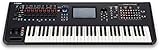
Buying Guide: What to Look For in a Keyboard Workstation
Before you invest, consider these key factors. They’ll shape your playing experience and ensure the workstation fits your workflow.
Key Action and Feel
The keyboard action determines how the keys respond to your touch. Hammer-action keys mimic an acoustic piano, offering weighted resistance and aftertouch for expressive playing. Synthesizer-style keys are lighter and faster, ideal for quick synth lines and organ parts.
If you play piano-heavy material, a weighted action like the Roland FANTOM 8’s is a must. For synth leads and fast passages, a semi-weighted or synth action might suit you better. Think about your primary genres and choose accordingly.
Sound Engine and Synthesis Types
Workstations use different sound engines to produce their tones. Some, like Roland’s ZEN-Core, offer multiple synthesis types in one unit, giving you vast sonic possibilities. Others focus on realistic acoustic instrument emulations.
Consider the sounds you need: authentic pianos, vintage synths, or modern EDM sounds. A flexible engine allows you to grow with your music. For example, the Korg Kross 2 combines EDS-i sampling and PCM engines for a wide palette.
Sequencing and Sampling Capabilities
If you compose or produce, a built-in sequencer is essential. It lets you record and arrange multiple tracks without a computer. Sampling capabilities allow you to import your own sounds, adding a personal touch to your performances.
Check the polyphony and number of tracks. Higher polyphony means more notes sound simultaneously without dropouts. The Yamaha Montage6 offers 128-note polyphony, which is generous for complex arrangements.
Portability and Expandability
If you gig frequently, weight and size matter. A 61-key workstation is more portable than an 88-key, but you lose the extended range. Consider a balance between key count and weight that you can comfortably transport.
Also look at expansion options: extra outputs, USB audio/MIDI, and memory slots. These can extend the life of your workstation. For more on integrating gear, check our guide on the best MIDI controller for hardware synths.
Final Thoughts
Choosing the best keyboard workstation comes down to your personal needs, whether you prioritize weighted keys, sound design flexibility, or portability. For a premium, full-featured option, the Roland FANTOM 8 EX Synthesizer Workstation stands out with its 88-key hammer action and deep synthesis engine. If you’re looking for a more budget-friendly yet powerful stage companion, the Korg Kross 2-61 61-Key Synthesizer Workstation offers impressive sounds in a lightweight design. Both are excellent choices, so pick the one that fits your musical journey.
Frequently Asked Questions
What is the best keyboard workstation for beginners?
For beginners, we recommend a model with intuitive controls and a wide sound library. The Korg Kross 2-61 is user-friendly and affordable, making it a great starting point. Its light weight also makes it easy to move around.
Can I use a keyboard workstation for live performances?
Absolutely. Most workstations are designed for stage use, with features like seamless sound switching and real-time control. The Roland FANTOM-06 is a top pick for live gigs, offering a compact design and powerful performance tools.
How many keys do I need in a workstation?
It depends on your playing style. 61 keys are sufficient for most synth and organ work, while 88 keys are ideal if you play piano repertoire. Consider your space and budget when deciding.
Are workstation keyboards good for music production?
Yes, they are excellent for production. Built-in sequencers, samplers, and USB audio interfaces allow you to create full tracks without a computer. The Yamaha Montage6 is particularly strong in this area, thanks to its advanced synthesis and effects.
For more insights on choosing between different brands, read our alesis vs donner. And if you’re also considering a digital piano, our best digital baby grand piano might help.


