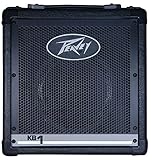

Whether you are rehearsing in a cramped studio or performing on a large stage, your keyboard deserves an amplifier that delivers its full sonic potential. A dedicated keyboard amplifier does more than just make things louder; it preserves the clarity of each note, handles the wide frequency range of digital pianos and synthesizers, and often includes multiple channels for mixing other instruments or microphones. In this guide, we have evaluated five leading models from Roland and Behringer to help you choose the right amplifier for your setup. If you are also looking for a solid foundation for your gear, check out our recommendations for the best stable keyboard stand.


Buying Guide
Power Output and Coverage
The wattage of a keyboard amplifier determines how much clean volume it can produce before distortion sets in. For small rooms or home practice, a 50-watt model may suffice, but for gigs with a live drummer, you will want at least 100 watts. Stereo amplifiers with two speakers, like the 320-watt model, create a wider soundstage that is especially beneficial for stereo patches and layered sounds.
Number of Channels and Connectivity
Most keyboard amplifiers offer two to four input channels, allowing you to connect multiple keyboards, a microphone, or an external audio source. If you perform with a band or run backing tracks, look for a model with at least three channels. Built-in effects, such as reverb and chorus, can save you from carrying extra pedals. For more on organizing your gear, see our guide on keyboard stands.
Portability and Build Quality
If you transport your amplifier frequently, weight and size matter. Smaller models with handles and rugged corners are easier to move. However, lightweight amps may sacrifice bass response or durability. Evaluate your typical travel distance and venue size to find the right balance between portability and performance.
Sound Quality and Frequency Response
Keyboard amplifiers must reproduce low bass notes, midrange chords, and high-frequency shimmer without muddiness or harshness. A full-range speaker system with a dedicated tweeter provides the best clarity. Some models include a feedback detection system to prevent howling when using a microphone. For more accessories to enhance your playing experience, browse our piano accessories category.
Final Thoughts
After reviewing these five keyboard amplifiers, we believe the Roland 4-Channel Mixing Keyboard Amplifier offers the best balance of power, channel count, and portability for most gigging musicians, while the Behringer Ultratone K900fx Ultra-Flexible 90-Watt stands out as a budget-friendly option with built-in effects and feedback detection for smaller venues or practice spaces. Whichever you choose, pairing your amp with a comfortable setup, like a keyboard stand for sitting, will enhance your overall experience.
Frequently Asked Questions
What size keyboard amplifier do I need for live gigs?
For small clubs or rehearsals, a 50- to 100-watt amplifier is usually sufficient. For larger venues or outdoor performances, consider a 150-watt or higher model to ensure clean projection over drums and other instruments. In 2026, many musicians also use powered speakers as an alternative.
Can I use a guitar amplifier for my keyboard?
While it is possible, guitar amplifiers are voiced to color the sound and may not reproduce the full frequency range of a keyboard. Dedicated keyboard amplifiers provide a flat response that preserves the natural tone of your instrument, making them the better choice for accurate sound.
How many channels do I need on a keyboard amplifier?
If you only play one keyboard, a two-channel amp is fine. If you use multiple keyboards, a microphone, or backing tracks, look for three or four channels. This flexibility allows you to mix all sources without needing an external mixer.
Do keyboard amplifiers come with built-in effects?
Many modern keyboard amplifiers include onboard effects such as reverb, chorus, and delay. These can enhance your sound without extra gear. Some models also feature feedback detection, which is useful when using a microphone on stage.