

You sit down at your digital piano, ready to lay down a track. But the sound feels flat, the keys don’t respond, and the recording picks up every hum and buzz. Choosing the right instrument for recording music is more than just picking a keyboard with weighted keys. It is about finding a digital piano that delivers authentic tone, responsive touch, and seamless connectivity. This guide covers the best digital pianos for recording music in 2026, focusing on top models from Yamaha and Casio. Whether you are a home studio producer or a composer on the go, these picks will elevate your recordings.
We have evaluated six portable digital pianos based on sound quality, key action, portability, and recording features. For more on choosing the right instrument, check out our guide on best digital piano for classical pianists.




Buying Guide
Key Action and Touch Response
For recording, the feel of the keys matters as much as the sound. Weighted keys with graded hammer action mimic the resistance of an acoustic piano. This allows you to control dynamics and expression in your recordings. Look for models with solid wood keys or advanced action systems, like Yamaha’s GrandTouch-S, for the most authentic experience.
If you are an advanced player, you may want to explore our recommendations for best digital pianos for advanced players.
Sound Engine and Sample Quality
The sound engine defines the character of your recordings. Premium digital pianos use multi-layer samples from concert grand pianos, such as Yamaha’s CFX or Bösendorfer. Features like Virtual Resonance Modeling (VRM) and Binaural Sampling add depth and realism. For recording, a rich, nuanced tone that responds to your touch is essential.
For a deeper dive into Yamaha’s technology, read our yamaha 88-Key weighted action digital piano review.
Connectivity and Recording Features
Modern digital pianos offer Bluetooth audio and MIDI, USB-MIDI, and built-in audio recorders. These features let you connect to DAWs, stream audio, and capture performances without extra gear. For home recording, look for models with line outputs or headphone jacks that deliver clean, noise-free signals.
Portability and Build
If you record in different spaces or take your instrument to gigs, portability matters. Slim, lightweight designs under 25 pounds are easy to move. Battery-powered options allow you to play anywhere. A compact build also saves space in a home studio.
Beginners looking for a portable starter piano can check our guide on best piano to buy for beginners.
Final Thoughts
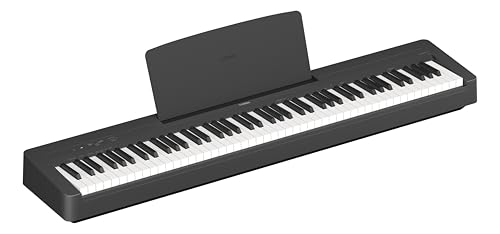
Choosing the best digital piano for recording music depends on your budget and needs. For studio-grade sound and touch, the Yamaha 88-Weighted Wooden Key Digital Piano stands out with its GrandTouch-S action and premium samples. If you need an ultra-portable option with strong connectivity for learning and creation, the Casio Privia PX-S1100 to 88-Key Touch-Responsive offers excellent value in a slim package. Both models will help you capture your musical ideas with clarity and expression.
Frequently Asked Questions
What features should I look for in a digital piano for recording music?
Look for weighted keys with graded action, high-quality sound samples from concert grands, and connectivity options like Bluetooth, USB-MIDI, or audio outputs. A good recording digital piano should also have a quiet key action to minimize mechanical noise in recordings.
Can I use a portable digital piano for professional recording?
Yes, many portable digital pianos in 2026 offer sound engines and features suitable for professional use. Models like the Yamaha P525 and Casio PX-S1100 deliver concert-level tone and can connect directly to audio interfaces or DAWs.
Is Bluetooth audio important for recording?
Bluetooth audio allows you to stream backing tracks or lessons wirelessly, which is helpful for practice and composition. For direct recording, USB-MIDI or audio cables provide lower latency and higher fidelity. Many modern digital pianos include both options.
How do weighted keys affect recording quality?
Weighted keys give you dynamic control, allowing you to play softly or loudly with precision. This translates to more expressive recordings. For intermediate players, we have a guide on best digital piano for intermediate players that covers key action in detail.


