

You’ve decided to learn piano, but your budget is tight. You want a keyboard that feels good, sounds decent, and won’t cost a fortune. The good news: there are plenty of affordable options that don’t skimp on features. In this guide, we’ve reviewed the best cheap keyboard pianos for beginners, focusing on value, playability, and learning tools.
Whether you’re a complete novice or a parent buying for a child, we’ve got you covered. We’ll look at everything from compact 49-key models to full 88-key digital pianos, all under a budget-friendly price point. For more in-depth guidance, check out our best keyboard piano for learning guide.


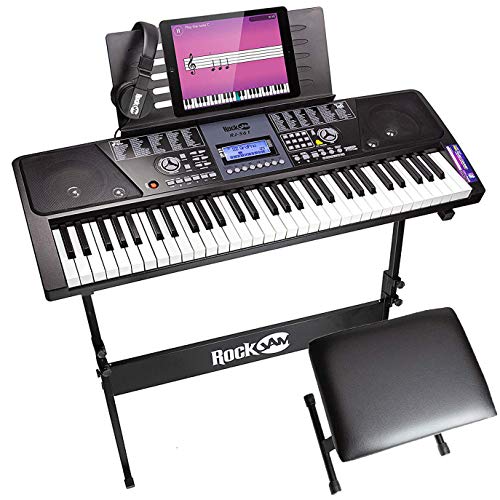


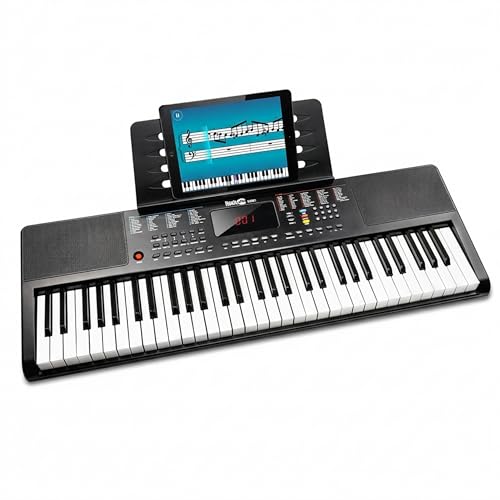

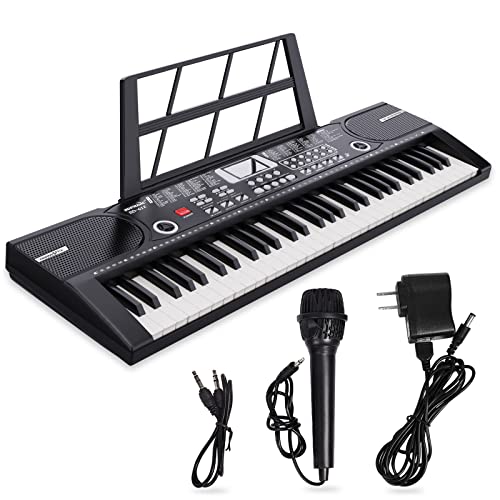
Buying Guide: What to Look for in a Cheap Keyboard Piano
Number of Keys
Keyboards come in various sizes: 49, 61, 76, or 88 keys. For beginners, 61 keys is often the sweet spot, offering enough range for most songs without taking up too much space. If you’re serious about piano, an 88-key model with full-size keys is worth considering, as it mimics an acoustic piano. Read our guide on whether 61 keys are enough for more insight.
Smaller keyboards like 49-key models are great for kids or very limited spaces, but they may feel restrictive as you progress. Think about your long-term goals when choosing.
Touch Sensitivity and Weighted Keys
Touch-sensitive keys respond to how hard you play, affecting volume and tone. This is crucial for developing proper technique. Some budget models offer semi-weighted keys, which provide a middle ground between synth-action and fully weighted keys. For a more realistic feel, look for keyboards with semi-weighted or even fully weighted actions, like the Zilvok 88-key model on our list.
If you’re unsure about the differences, our guide on keyboard pianos for adults covers this in more depth.
Learning Features and Built-in Sounds
Many budget keyboards come with built-in learning tools like lesson modes, lighted keys, or note stickers. These can be incredibly helpful for beginners. Look for models that offer a variety of sounds (voices) and rhythms to keep practice engaging. For example, the RockJam RJ549 includes note stickers and Simply Piano lessons, while the JIKADA 61-key model has three teaching modes and a built-in LCD screen.
Don’t underestimate the value of demo songs and accompaniment rhythms. They make practicing fun and help you understand timing and musical structure.
Portability and Accessories
Consider where you’ll be using the keyboard. If you plan to move it around, a lightweight model with battery power is a plus. Many budget keyboards come as complete kits with a stand, stool, headphones, and even a microphone. This saves you money and hassle. The Donner 61 Key Keyboard Piano is a great example of an all-inclusive kit.
Also, check for connectivity options like USB-MIDI, which allows you to connect to computers and apps for expanded learning. For more on key counts and sizes, see our article on how many keys a piano has.
Final Thoughts
Finding the best cheap keyboard piano doesn’t mean compromising on quality. Whether you choose the 88 Key Piano Keyboard,Electric Digital Piano for its full 88 semi-weighted keys and extensive sound library, or the Donner 61 Key Keyboard Piano for its all-inclusive kit and teaching features, you’re getting a fantastic starting point for your musical journey. Remember to consider your space, learning goals, and the features that matter most to you.
Frequently Asked Questions
What is the best cheap keyboard piano for beginners in 2026?
For most beginners, the RockJam RJ549 offers an unbeatable price-to-feature ratio with its compact size and learning aids. If you prefer a full 88-key experience, the Zilvok 88 Key Piano is a top budget pick.
Should I buy a 61-key or 88-key keyboard as a beginner?
It depends on your goals. 61 keys are sufficient for many pop songs and are more affordable and portable. If you plan to play classical piano or want the full range, an 88-key model is better. Check our guide on 61-key keyboards for more details.
Are cheap keyboard pianos any good?
Yes, many budget models offer excellent value. They include features like weighted keys, multiple sounds, and learning tools that were once only found on expensive models. Just be sure to read reviews and choose a reputable brand.
What accessories do I need with my first keyboard piano?
Essential accessories include a stand, a bench or stool, headphones for quiet practice, and a sustain pedal. Many keyboard kits include these, so look for bundle deals to save money.


