

You have decided to learn piano, and the first big step is choosing the right instrument. Walking into a music store or browsing online can feel overwhelming with so many options. This guide cuts through the noise to focus on the best keyboard piano for learning in 2026. We have evaluated seven top models for beginners, from compact starter sets to feature-rich smart keyboards. Whether you are a complete novice or returning to music after years away, these picks are designed to make your learning journey smooth and enjoyable.
Each keyboard we review prioritizes ease of use, sound quality, and built-in educational tools. We focus on what matters most for learners: realistic keys, guided learning features, and durable design. For a broader look at adult-friendly options, check out our guide on the best keyboard piano for adults. Let us help you find the perfect starting point.


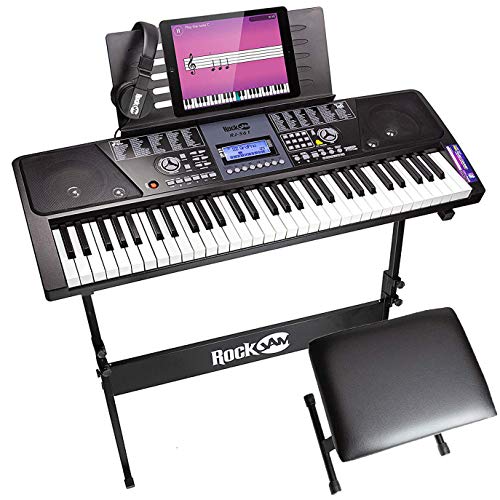


Buying Guide: What to Look for in a Beginner Keyboard
Number of Keys: 61 vs. 88
One of the first decisions you will face is how many keys you need. Most beginner keyboards come with 61 keys, which is enough for learning basic songs and many popular tunes. However, many classical pieces and advanced techniques require the full 88-key range of a traditional piano.
For most learners, a 61-key keyboard is a great starting point. It is lighter, smaller, and often more affordable. If you are serious about classical training or plan to play professionally later, consider an 88-key model. Our article on whether a 61-key keyboard is enough for beginners can help you decide.
Key Action: Weighted vs. Semi-Weighted vs. Light Keys
The feel of the keys directly affects your playing technique. Weighted keys simulate the resistance of an acoustic piano, helping you build finger strength. Semi-weighted keys offer a middle ground, providing some resistance without the full heaviness. Light, unweighted keys are common on portable keyboards and are easier for small hands but less realistic.
For learning proper technique, semi-weighted or fully weighted keys are recommended. If you plan to switch to an acoustic piano later, weighted keys are ideal. Light keys are fine for young children or very casual play. Understanding the difference between digital pianos and keyboards will also clarify key action.
Built-in Learning Features
Modern keyboards often include features that replace traditional music lessons. Lighted keys show you which notes to press next, while built-in apps provide interactive tutorials. Some models have teaching modes that break songs into slow, repeatable sections.
These tools are invaluable for self-taught learners. They make practice engaging and reduce frustration. Look for keyboards with app connectivity, as they offer the most dynamic learning experience. For guidance on number of keys, our guide on how many keys a piano has is a helpful resource.
Connectivity and Expandability
Think about how you will use your keyboard beyond just practice. USB-MIDI connectivity lets you connect to computers, tablets, and recording software. This opens up access to thousands of online lessons, sheet music apps, and recording tools.
Headphone jacks are essential for private practice, especially in shared spaces. Built-in speakers are convenient, but the ability to connect external speakers or headphones improves sound quality. Some keyboards also support Bluetooth, allowing wireless connection to apps. Learn more about connecting a digital piano to a computer for advanced setup ideas.
Final Thoughts
Choosing the best keyboard piano for learning comes down to your personal goals and budget. For the most interactive and fun learning experience, the The ONE Smart Keyboard COLOR 61 Lighted Keys Piano stands out with its lighted key system and app integration, making it feel like a personal tutor. If you prefer a more traditional path with weighted keys and a full set of accessories, the 88 Key Piano Keyboard Electric Digital Piano offers exceptional value and a realistic feel from day one. Both models are excellent choices that will support your practice for months and years to come.
Frequently Asked Questions
Can I learn piano on a keyboard?
Yes, absolutely. Many beginners learn on a keyboard before transitioning to an acoustic piano. The key is to choose a model with weighted or semi-weighted keys to build proper finger strength and technique. In 2026, the wide range of beginner-friendly keyboards makes this easier than ever.
What is the best number of keys for a beginner piano?
For most beginners, 61 keys are sufficient for learning basic songs and many popular tunes. If you plan to play classical music or want a full piano experience, an 88-key keyboard is recommended. The 61-key option is more portable and budget-friendly.
Do I need weighted keys to learn piano?
Weighted keys are not strictly necessary, but they greatly benefit your technique. They simulate the resistance of an acoustic piano, helping you develop finger strength and control. For serious learners, semi-weighted or fully weighted keys are highly recommended.
Are keyboards with lighted keys good for learning?
Yes, lighted keys can be very effective for beginners. They show you exactly which keys to press, which accelerates learning and makes practice more engaging. Many models, like The ONE Smart Keyboard, combine lighted keys with app-based lessons for a comprehensive learning system.


