

You’ve got a gig across town, and the last thing you want is to wrestle a heavy amplifier up three flights of stairs. A lightweight keyboard amp can be a total game-changer, letting you focus on your performance instead of your aching back. In this guide, we’ve rounded up the top lightweight keyboard amps that deliver solid sound without weighing you down.
We’re focusing on models that are easy to transport, set up, and play through, whether you’re a gigging musician, a rehearsal-room regular, or a home player who values flexibility. We’ve evaluated a range of compact amps from trusted brands like Roland and Peavey, and we’re here to help you find the perfect balance of portability and performance. If you’re also looking for a lightweight keyboard itself, check out our guide to the best 76-key keyboards with weighted hammer action.



Buying Guide: What to Look for in a Lightweight Keyboard Amp
Power and Headroom
Even a lightweight amp needs enough power to project your sound clearly. Look for wattage that matches your typical playing environment. A 20-watt amp is fine for home practice, but for rehearsals or small gigs, you might want something in the 100-watt range to avoid distortion at higher volumes.
Consider the headroom as well: more headroom means you can push the amp harder without breakup, which is crucial for keyboard sounds that need clean, punchy dynamics. If you play with a drummer, you’ll want extra power to keep up.
Portability and Weight
The whole point of a lightweight amp is easy transport. Check the weight and dimensions, and think about handles and form factor. Some amps are designed with a compact footprint that fits in tight car trunks or on crowded stages. If you’re a gigging musician, you’ll appreciate a model that doesn’t require a roadie.
Remember that a lighter amp is easier to set up and tear down, which adds up over time. Pair your amp with a lightweight keyboard, like one from our best electric keyboards with weighted keys list, to maximize your mobility.
Inputs and Connectivity
Consider how many channels you need for your setup. If you’re running multiple keyboards or want to plug in a microphone, you’ll need more inputs. Look for XLR inputs for mics, stereo inputs for your keyboard, and auxiliary inputs for backing tracks or a smartphone. Also, check for outputs like XLR DI or headphone jacks for silent practice.
Some amps offer built-in effects like reverb or EQ shaping, which can save you from hauling extra pedals. If you’re into synth sounds, you might want an amp that can handle a wide frequency range, as discussed in our roland FANTOM-06 review.
Sound Quality and Speaker Configuration
Don’t sacrifice sound for portability. A good lightweight amp should still deliver clear highs, punchy mids, and solid bass. Speaker size matters: an 8-inch speaker is compact but may lack low-end punch, while a 12-inch or 15-inch driver offers fuller sound but adds weight. Some amps use dual speakers for wider stereo imaging.
Listen for clarity at different volume levels, and make sure the amp doesn’t color your keyboard’s tone. If you’re a piano player, you’ll want an amp that reproduces the full dynamic range of your instrument, similar to what you’d get from our top 88-key weighted keyboard picks.
Final Thoughts
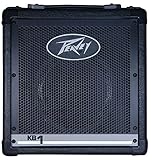
Choosing the right lightweight keyboard amp comes down to your specific needs: for maximum portability without sacrificing sound, the Peavey KB 1 20-Watt 1×8 Keyboard Amp is a fantastic compact option for practice and small spaces, while the Roland 4-Channel Stereo Mixing Keyboard Amplifier offers a powerful yet manageable solution for gigging musicians who need plenty of inputs and headroom. Whichever you choose, you’ll be investing in gear that lets you focus on your music, not on your back.
Frequently Asked Questions
What is the lightest keyboard amp?
The Peavey KB 1 is one of the lightest options, weighing in at just over 20 pounds, making it easy to carry to rehearsals or small gigs. Its compact size doesn’t compromise on sound quality for practice sessions.
How many watts do I need for a keyboard amp?
For home practice, 20 to 30 watts is usually sufficient. For rehearsals with a band, aim for at least 100 watts to ensure your keyboard cuts through the mix. If you’re playing larger venues, consider 200 watts or more for clean headroom.
Can I use a guitar amp for my keyboard?
While you can, it’s not recommended because guitar amps are voiced for guitar frequencies and may not reproduce the full range of your keyboard accurately. A dedicated keyboard amp provides a flat response, preserving your keyboard’s natural tone.
What is the best lightweight keyboard amp for gigging in 2026?
For gigging, the Roland KC-200 offers a great balance of power and portability, with 100 watts and a compact design. If you need even more punch, the Roland KC-600 provides 200 watts and more channels, still manageable for most musicians.


