

You’ve finally decided to learn piano. Maybe you’ve been inspired by a concert, or you want to finally master that song you love. But as you start shopping, you quickly realize there are dozens of digital pianos, each with confusing specs and features. How do you know which one is right for a beginner? This guide cuts through the noise and reviews the best digital pianos to learn on in 2026, focusing on models that offer realistic weighted keys, quality sound, and features that actually help you improve.
Whether you’re a complete novice or have some experience, we’ve got you covered. We’ve evaluated a range of options from trusted brands like Yamaha, Roland, and The ONE, considering what truly matters for a beginner. For more context on choosing the right instrument, you might also check out our guide on digital pianos for recording, which offers additional insights into sound quality and connectivity.



Buying Guide: What to Look for in a Digital Piano for Learning
Weighted Keys and Action
One of the most critical aspects for a beginner is the feel of the keys. A piano with weighted keys mimics the resistance of an acoustic piano, helping you develop proper finger strength and technique. Look for models with graded hammer action, where the lower keys are heavier and the higher keys are lighter, just like a real piano.
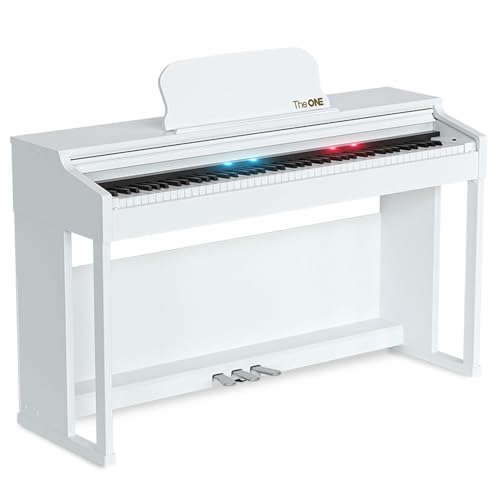
For example, the The ONE Digital Piano Keyboard with 88-Key features 88 hammer-action keys that precisely match finger strength changes, providing an authentic playing experience. Similarly, Roland’s PHA-4 Standard keyboard, found in the Roland FP-60X, offers excellent touch response.
Sound Quality and Polyphony
A great digital piano should sound inspiring. Look for models with high-quality sound engines that sample real grand pianos. Polyphony, the number of notes the piano can produce simultaneously, is also important. For a beginner, 64 to 128 notes of polyphony is ideal to avoid dropped notes when playing complex pieces.
The Yamaha YDP163B Arius Series uses the Pure CF Sound Engine, faithfully reproducing the tone of a Yamaha CFIIIS concert grand. The Roland FP-40 Portable Digital Piano features Roland’s premium Piano Reality technology for rich, authentic sound.
Beginner-Friendly Features
Many digital pianos now include learning tools that make practice more effective and fun. Features like built-in lessons, lighted keys, and app integration can accelerate your progress. The The ONE Digital Piano Keyboard with 88-Key stands out with its Lighted-up Keys and online lessons, turning the piano into a personal teacher.
Connectivity is also key. Bluetooth and USB-MIDI allow you to connect to learning apps and software. For more ideas on how to use these features, explore our gift guide for musicians, which highlights portable options with great connectivity.
Portability and Space
Consider where you’ll practice. If you have limited space or plan to move the piano, a portable model might be best. Portable digital pianos are lighter and can be placed on a stand or table. Console-style pianos, like the Yamaha Arius Series 88-Key, offer a more traditional look but take up more room.
If portability is a priority, the Roland FP-30X is a compact yet powerful option. For a comprehensive look at portable models, check out our portable digital piano category.
Final Thoughts
When you’re just starting out, the best digital piano to learn on is one that feels good under your fingers, sounds inspiring, and keeps you motivated. For most beginners, we recommend the The ONE Digital Piano Keyboard with 88-Key because of its built-in teaching light technology and extensive music library, which makes learning engaging and interactive. If you prefer a more traditional approach with exceptional sound quality, the Roland FP-60X is a fantastic mid-range choice that will serve you well into your intermediate years. Whichever you choose, you’re making a wise investment in your musical journey.
Frequently Asked Questions
What is the best digital piano for a complete beginner?
For a complete beginner, we recommend the The ONE Digital Piano Keyboard with 88-Key because of its lighted keys and online lessons that guide you step by step. The weighted keys also help you build proper technique from day one. In 2026, it remains a top choice for its educational features.
How many keys should a beginner digital piano have?
You should aim for 88 keys, which is the full range of an acoustic piano. This ensures you won’t outgrow the instrument as you progress. All the models we reviewed in this guide feature 88 keys, so you’re covered.
Do I need weighted keys as a beginner?
Yes, weighted keys are essential for developing finger strength and dynamic control. They mimic the feel of an acoustic piano, making transition to a real piano easier later on. Look for models with graded hammer action, like the Roland FP-30X or Yamaha YDP163B.
Can I use a digital piano with headphones for silent practice?
Absolutely. Most digital pianos have headphone jacks, and some even have dual jacks for teacher-student use. The Yamaha Arius Series 88-Key and Donner DDP-200 both feature dual headphone jacks, perfect for quiet practice in apartments. For more tips on choosing a piano for your space, see our seasonal guide to buying a piano.


