

You have dreamed of playing a grand piano, but the cost, size, and maintenance feel overwhelming. You want a keyboard that captures the rich, resonant sound of an acoustic piano without taking up half your living room. The search for the best keyboard that sounds like piano can be confusing with so many options, from semi-weighted keys to full hammer-action models. This guide cuts through the noise to help you find a keyboard that delivers authentic piano tone and touch, whether you are a complete beginner or a returning player. We have evaluated nine top contenders based on sound quality, key action, and overall value. For a broader look at your options, check out our best piano keyboard for the money guide.
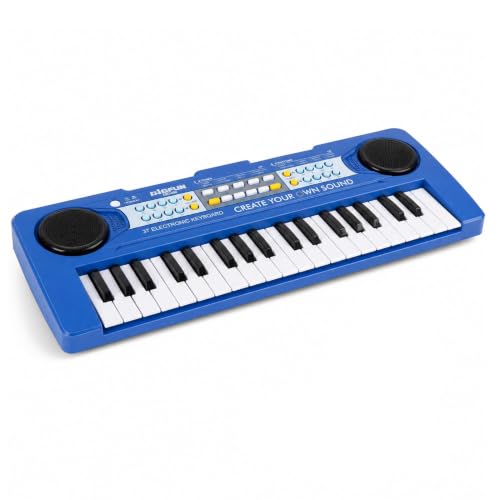

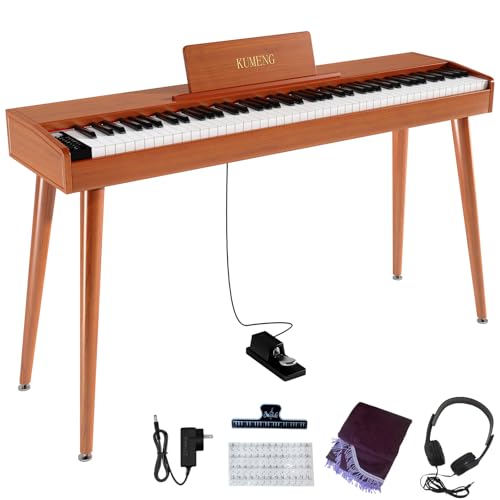

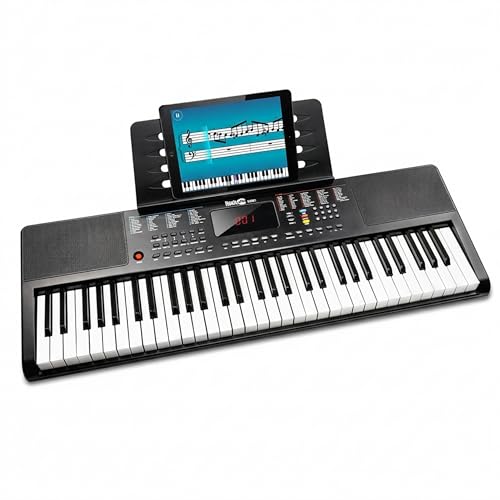

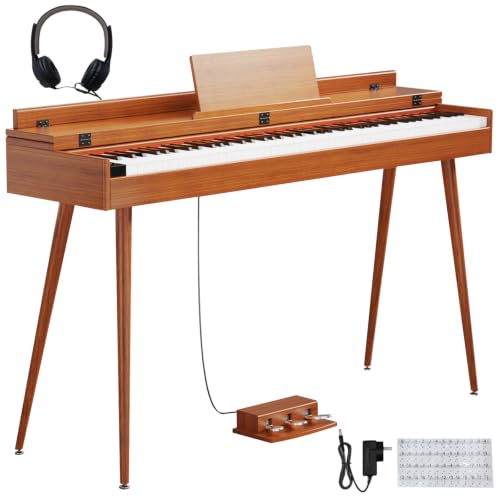

Buying Guide: What Makes a Keyboard Sound Like a Piano?
Key Action: Weighted vs. Semi-Weighted vs. Unweighted
The feel of the keys is the most critical factor for realistic piano sound. Weighted keys simulate the resistance of an acoustic piano’s hammer mechanism, giving you control over dynamics and expression. Fully weighted keys, like those on the best rated piano keyboard models, offer the most authentic experience. Semi-weighted keys provide a middle ground, lighter but with some resistance, which suits developing players. Unweighted keys, common on budget keyboards, lack this feel and can hinder proper technique if your goal is to transition to an acoustic piano later.
Sound Engine and Polyphony
The digital sound engine is the heart of any keyboard. Look for models that use multi-sampling, recording real piano notes at different velocities to create a rich, dynamic tone. Polyphony, the number of notes the keyboard can play simultaneously, matters for complex pieces with sustain. A minimum of 64-note polyphony is good, but 128 or more ensures no notes drop out during dense passages. The Eastar EUP-100 and KUMENG models boast high-quality chips that faithfully reproduce acoustic piano timbres.
Number of Keys: 61 vs. 88
Full-size 88-key keyboards match the range of a standard piano, essential for classical repertoire and advanced playing. Many budget and beginner keyboards use 61 keys, which is enough for most pop songs and early lessons. If you plan to learn piano seriously or play pieces that span the entire keyboard, choose an 88-key model like the best 88-key weighted keyboard under $500. For casual play or younger children, a 61-key option is more portable and affordable.
Connectivity and Additional Features
Modern keyboards offer USB-MIDI connectivity, allowing you to connect to computers, tablets, and learning apps like Simply Piano. This is a huge advantage for practice and composition. Built-in speakers are convenient, but a headphone jack is essential for quiet practice. Features like built-in metronomes, recording functions, and multiple instrument voices add versatility. For young learners, the best keyboard piano for kids learning piano often includes teaching modes and light-up keys.
Final Thoughts
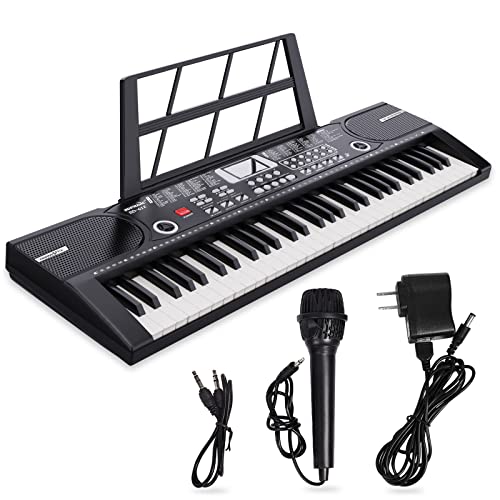
Choosing the best keyboard that sounds like piano comes down to your budget and goals. For the most authentic acoustic piano experience with fully weighted keys and a rich sound engine, the Eastar EUP-100 Digital Piano 88 Key Weighted is a superb all-in-one bundle that mimics a grand piano’s touch and tone. If you need a portable, budget-friendly option that still delivers impressive sound and teaching features, the RockJam RJ5061 61 Key Keyboard Piano Kit is an excellent choice for beginners. Both models represent the best in their class for realistic piano sound, helping you start your musical journey with confidence.
Frequently Asked Questions
Can a digital keyboard really sound like a real piano?
Yes, modern digital keyboards use advanced sampling technology to capture the sound of high-end acoustic pianos. Models with weighted keys and high polyphony come remarkably close, especially through good headphones or speakers. While they may not replicate the exact resonance of a concert grand, they offer a very satisfying and realistic piano experience for practice and performance.
What is the difference between weighted and hammer action keys?
Weighted keys use springs or weights to create resistance, while hammer action keys simulate the actual mechanical action of an acoustic piano with small hammers. Hammer action is generally considered the most realistic and is found on higher-end digital pianos. Both are superior to unweighted keys for developing proper finger strength and dynamics.
How many keys do I need to learn piano properly?
For serious piano study, an 88-key keyboard is recommended because it covers the full range of the instrument. Many classical pieces require the full 88 keys. However, for beginners, especially children, a 61-key keyboard can be a great starting point and is more affordable and portable. You can always upgrade later.
Do I need a keyboard with built-in speakers or headphones?
It depends on your practice environment. Built-in speakers are convenient for casual playing and sharing music. Headphones are essential for quiet practice without disturbing others, and they often reveal more detail in the sound. Many keyboards, like the best budget piano keyboard with headphones, include both options, giving you flexibility. For 2026, most models in our list include a headphone jack.


