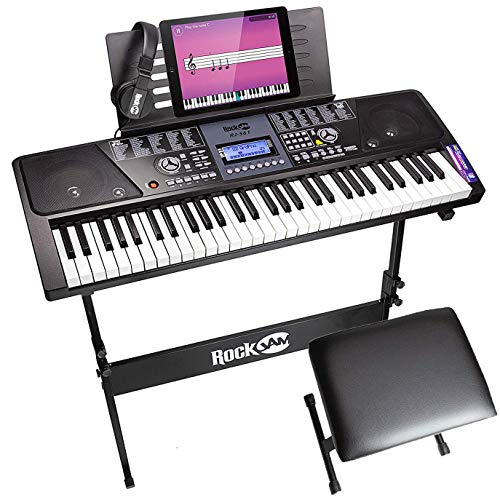
You’ve decided to learn piano, but a quick search leaves you overwhelmed: grand, upright, digital, stage, keyboard, synthesizer. Each type promises a different experience, and picking the wrong one can stall your progress or drain your budget. This guide cuts through the noise, helping you identify the best type of piano for your space, skill level, and musical ambitions. We’ll also spotlight a resource that simplifies learning chords, no matter which instrument you choose.
Whether you’re a complete beginner or a gigging musician upgrading your rig, understanding the core differences between acoustic and digital instruments is crucial. We’ll walk you through key considerations like action, portability, and maintenance. For a deeper dive into stage-ready options, check our guide to the best stage pianos.


Buying Guide: What Makes the Best Type of Piano for You?
Choosing a piano isn’t about finding the most expensive or the most advertised model. It’s about matching the instrument to your lifestyle, goals, and physical space. Below, we break down the essential factors to weigh before you commit.
1. Acoustic vs. Digital: The Fundamental Choice
Acoustic pianos (grands and uprights) offer an unrivaled sound and touch, but they require regular tuning, stable humidity, and significant space. Digital pianos, on the other hand, are maintenance-free, volume-controllable, and often portable. For most modern players, a quality digital instrument provides the best balance of practicality and performance.
If you’re torn between the two, our detailed comparison of digital and acoustic pianos can help you decide. Consider your living situation and whether you need silent practice via headphones, which only digitals offer.
2. Key Action and Feel: Weighted vs. Semi-Weighted
The action refers to how the keys respond to your touch. Hammer-action keys simulate the resistance of an acoustic piano, which is essential for developing proper finger strength and technique. If you plan to transition to acoustic later, a fully weighted keyboard is non-negotiable.
Semi-weighted keys are lighter and often found on synthesizers and entry-level keyboards. They’re fine for synth players but can hinder a pianist’s dynamic control. For the best type of piano for classical or jazz, prioritize fully weighted action.
3. Portability and Space: Stage vs. Console
Stage pianos are designed to be moved, often featuring lightweight bodies and no built-in stand. They’re ideal for gigging musicians. Console and furniture-style digitals look like traditional pianos and stay put in a living room. Your lifestyle dictates which form factor suits you best.
If you’re a performer, read our stage piano recommendations. If you’re a home player, a portable digital piano offers flexibility without sacrificing quality. Measure your space and think about whether you’ll ever need to move the instrument.
4. Learning Resources and Chord Mastery
No matter which piano you choose, you’ll need solid learning materials. A great resource like The Piano Chord Chart Book can accelerate your progress by showing chords organized by letter name and key. This is invaluable for playing songs quickly and understanding music theory.
Many beginners overlook the importance of chord knowledge. A chord chart book bridges the gap between reading sheet music and playing by ear. It’s a smart investment that complements any piano type.
Final Thoughts
Ultimately, the best type of piano is the one you’ll actually play. For a versatile, maintenance-free option, a digital piano with weighted keys is our top recommendation for most players. Pair it with a solid learning aid like The Piano Chord Chart Book to build your repertoire and confidence. If you’re a performer needing portability, a stage piano is the way to go, and the same chord book will serve you well on the road. Remember, the instrument is just the start; your practice and resources make the music.
Frequently Asked Questions
What is the best type of piano for a beginner?
For beginners, a digital piano with 88 weighted keys is generally the best type of piano. It offers a realistic feel, requires no tuning, and allows headphone practice. Models from Yamaha, Casio, and Roland are excellent starting points. Check our beginner’s guide to digital pianos for more help.
Is an acoustic piano better than a digital piano?
Acoustic pianos offer a unique sound and touch that many purists prefer, but they come with higher maintenance and cost. Digital pianos have improved dramatically, offering near-acoustic feel with modern conveniences. The best choice depends on your budget, space, and practice habits.
Can I learn piano on a keyboard?
You can start on a keyboard, but look for one with at least 61 keys and touch sensitivity. However, to develop proper technique and play a wide range of music, a full-size 88-key weighted digital piano is recommended. Using a chord chart book can help you make the most of any keyboard.
How much should I spend on my first piano?
You don’t need to break the bank for a quality first instrument. Entry-level digital pianos from reputable brands offer excellent value. Focus on getting weighted keys and a good sound engine rather than extra features you won’t use initially.