

You have a digital piano and a computer, but the two are not talking to each other. Maybe you want to record your playing, use a learning app, or produce music in a DAW. Whatever your goal, connecting a digital piano to a computer is easier than you think. In this guide, we walk you through the essential gear and steps to get started. Whether you are a beginner or a seasoned musician, these tips will help you bridge the gap between your instrument and your digital setup. If you are still choosing a piano, check out our guide on how to choose a digital piano for beginners.


Buying Guide
Connection Type: USB vs. MIDI
Most modern digital pianos connect to a computer via USB. This is the simplest method, as it carries both power and data through a single cable. If your piano has a USB Type B port, you need a standard USB printer cable like the AkoaDa Printer Cable 10ft USB 2.0 Type A Male to B. For newer devices with USB-C, the QIANRENON USB C to B Print Converter Type C adapter works perfectly. If your piano uses traditional 5-pin MIDI ports, you will need a MIDI-to-USB interface. The UCEC VHS/VCR to Digital Converter Kit is not designed for MIDI, but it shows the variety of adapters available for different audio needs.
For a deeper comparison of instrument types, read our article on digital piano vs keyboard to understand which features matter most.
Software Compatibility
Once your piano is physically connected, you need software to recognize it. Most operating systems detect USB MIDI devices automatically without extra drivers. For recording, popular DAWs like GarageBand, Ableton Live, or FL Studio work well. For learning, apps like Simply Piano or Yousician can receive MIDI input from your piano. The My Notebook of Piano Keyboard Chords is a helpful reference for chord progressions, but for digital interaction, ensure your software supports MIDI input.
Cable Quality and Length
A reliable cable prevents signal loss and latency. The AkoaDa Printer Cable 10ft USB 2.0 Type A Male to B offers a 10-foot length, giving you flexibility to position your computer away from the piano. Its nylon braided design resists tangling and wear. For shorter distances, the QIANRENON USB C to B Print Converter Type C is compact and portable. Always choose a cable that matches your piano’s port and your workspace layout.
If you are unsure about weighted keys, our guide on what is a weighted keyboard can help you decide what feels best.
Reference Materials for Learning
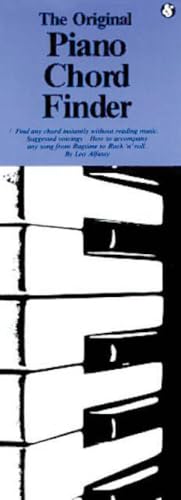
Connecting your piano to a computer opens up a world of learning resources. Books like The Piano Chord Chart Book and The Original Piano Chord Finder are excellent companions for practicing chords and scales. While these are physical books, they complement digital tools by providing quick reference during practice sessions. Keep one near your piano for instant chord lookup.
Final Thoughts
Connecting your digital piano to a computer is straightforward with the right gear. For a reliable USB connection, the AkoaDa Printer Cable 10ft USB 2.0 Type A Male to B is a durable and affordable choice for most pianos. If you need a USB-C adapter for modern devices, the QIANRENON USB C to B Print Converter Type C offers plug-and-play simplicity. Pair these with a good reference book like The Piano Chord Chart Book to enhance your learning. With these tools, you will be recording and playing along with your computer in no time.
Frequently Asked Questions
Can I connect any digital piano to a computer?
Most digital pianos made after 2010 have a USB port for MIDI connection. Check your piano’s manual for a USB Type B or USB-C port. If it only has 5-pin MIDI ports, you will need a MIDI-to-USB interface.
Do I need special software to use my piano with a computer?
Basic MIDI input works with most operating systems without extra software. For recording or learning, you will need a DAW or a music app. Many free options are available for both Windows and Mac.
What cable do I need for a digital piano with USB Type B?
A standard USB 2.0 Type A to Type B printer cable works perfectly. The AkoaDa Printer Cable 10ft USB 2.0 Type A Male to B is a popular choice. For USB-C devices, use an adapter like the QIANRENON USB C to B Print Converter Type C.
Will connecting my piano to a computer cause latency?
With a good quality USB cable and a modern computer, latency is usually negligible. For real-time playing, use a DAW with low-latency audio drivers like ASIO on Windows. This ensures your playing feels immediate.


